
A wet patch on the ceiling usually sends people looking for a hole in the roof. When the drips turn up on still, frosty mornings and disappear by lunchtime, the roof may be perfectly watertight. The water is coming from inside the house, carried up into the roof space as warm, damp air and turned back into water on the cold steel.
This guide explains why condensation under a metal roof happens, whether older roofs without underlay are worse, how to stop it, what ventilation can and cannot do, and when it starts to harm the framing. If you want a fix rather than a diagnosis, our roof ventilation service covers the options we install.
Why is water dripping from my ceiling when it hasn't rained?
Because the underside of the roofing has become colder than the dew point of the air touching it. BRANZ explains that in a typical pitched roof the space above the ceiling insulation is effectively outside the warm part of the house, so it cools close to the outdoor temperature overnight. Steel also radiates heat to a clear night sky, so it can drop below the air temperature around it.
Any moisture in the roof space then condenses on the steel and the fixings. Most of it comes from the house below: showers, cooking, drying washing, unflued gas heaters and people breathing all add water to indoor air, and gaps in the ceiling let that air rise. When enough water collects, it runs to the low points of the roofing and drips.
The pattern is the clue. Condensation tends to show up on clear, cold mornings, in many small spots rather than one, and above the bathroom, kitchen or laundry.
Is it condensation or a leak?
The weather on the day usually tells you. A leak follows rain, especially wind-driven rain, and tends to show in the same place each time. Condensation follows clear, cold nights and can appear when it has been dry for days. The table sets out the common signs.
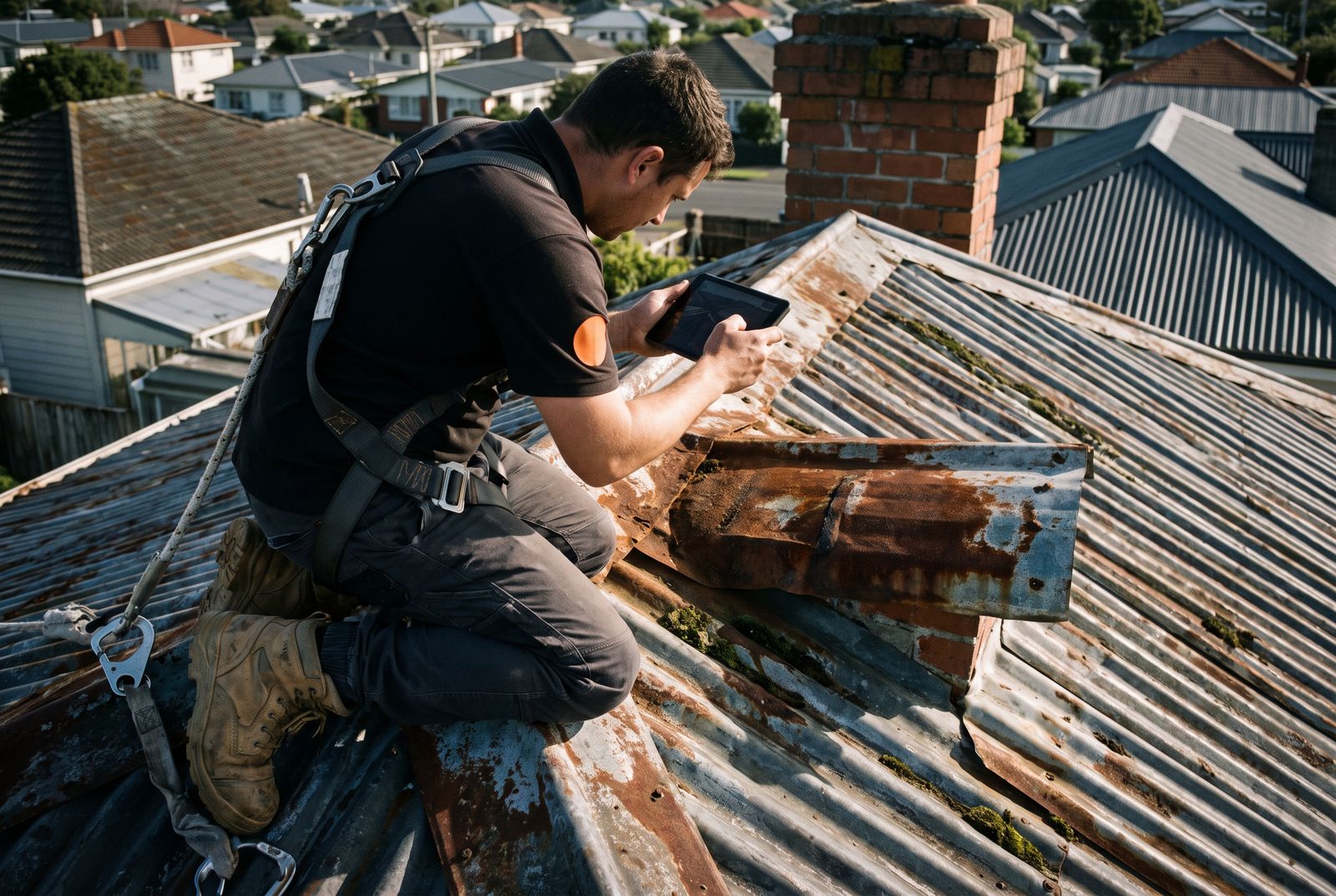
If the signs are mixed, a roof inspection can settle it. Looking at the underside of the roofing and the underlay from the ceiling space usually shows whether water is running in from a fault or forming on the steel itself.
| Sign | Points to condensation | Points to a leak |
|---|---|---|
| When it happens | Cold, clear mornings, often with no rain | During or after rain, often with wind |
| Where it shows | Many small spots, often above wet rooms | One or two spots, repeated each storm |
| Roof space | Fine droplets across the steel or fixings | Water trails from a lap, flashing or fixing |
| Timing | Dries out by midday | Lingers after the rain stops |
Do old villas without underlay get more condensation?
Not necessarily more condensation, but more drips reach the ceiling. Underlay does not stop condensation forming. A BRANZ study comparing roofs with and without underlay found that building paper actually increased the condensation on the cladding slightly on cold, clear nights, though not enough to drip.
What underlay does is catch and hold the water that does form. Later BRANZ research found that condensation on metal roofs runs to the low points of the profile and passes into the underlay where the two touch, where it can dry out later. With no underlay, or with old underlay that has torn or gone brittle, those drips land straight on the insulation and ceiling linings.
Many older Wellington homes, including villas and cottages in suburbs like Newtown and Thorndon with their corrugated roofs, have been re-roofed or patched over the decades, so what is under the steel varies a lot. Lifting the ceiling hatch with a torch will often show whether you have underlay at all.
Not sure if it is a leak?
Cheeky's Roofers looks at the roof and the ceiling space, photographs what we find and tells you whether it is condensation or a leak.
How do I stop condensation under a metal roof?
Start below the ceiling, because less moisture in the roof space means less water on the steel. Then deal with the roof itself.
Winter makes it harder. NIWA notes that winter is the wettest season across the Wellington region, and the Hutt hills get far more rain than the city: the long-term normal at Wainuiomata Reservoir is about 1,800 mm a year against about 957 mm at Wellington Airport. Damp outdoor air and closed winter windows both push indoor humidity up, so wet-room fans matter most then. If the roof is due for replacement anyway, re-roofing with new underlay solves the drip problem at the same time.
- Run bathroom, kitchen and laundry extractor fans that vent outside, not into the roof space
- Seal gaps around downlights, the ceiling hatch, pipes and cables
- Vent clothes dryers outside and avoid unflued gas heaters
- Keep insulation clear of the underside of the roofing so air can move
- Add roof space ventilation if moisture still builds up
- Install underlay when the roof is next replaced
Does roof space ventilation help?
Yes, as part of the fix, but rarely on its own. Ventilation lets damp air leave the roof space before it condenses, which helps most where moisture is already getting in. It does not replace sealing the ceiling and venting wet rooms outside, and if the house keeps pumping damp air upwards, vents will struggle to keep up.
In Wellington there is a second test: any vent that forms part of the roof has to suit the site's wind zone and be flashed so it does not let wind-driven rain in. The right type depends on the roof shape and the existing underlay, which is why we assess the roof space before recommending a product.
Can condensation rot roof framing?
It can, if timber stays damp for long periods. Occasional condensation that dries out each day does little harm. Repeated wetting that never fully dries can lead to mould, staining and, over time, decay in purlins, rafters and ceiling battens, and it can also corrode fixings and wet insulation so it works less well.
Building Code clause E3 Internal Moisture deals with condensation and mould inside buildings for exactly this reason. Signs to look for are black mould on timber or the underside of the underlay, soft or crumbly timber when pressed with a screwdriver, rust streaks around nails and screws, and insulation that feels damp or has slumped.
When should you call a roofer about condensation?
Call if the dripping keeps coming back after you have tackled the moisture sources, if you are not sure whether it is condensation or a leak, or if you find mould or soft timber in the roof space. If a leak turns out to be the cause, our roof leak repairs page explains how we trace it.
Cheeky's Roofers checks the ceiling space as well as the roof, photographs what we find and tells you whether the answer is ventilation, sealing, underlay or a repair. We work across the region, including the Hutt Valley, where higher rainfall in places like Wainuiomata keeps winter air damp. Book online for a free assessment.
Frequently Asked Questions
Why is condensation worse in winter?
Cold, clear nights cool the roofing the most, and winter is also when windows stay shut and indoor air holds more moisture from cooking, showers and drying washing. Both together push the underside of the steel below the dew point more often, so drips are most common from late autumn to early spring.
Can I just add more ceiling insulation to stop it?
More insulation keeps the house warmer but makes the roof space colder, which can make condensation on the steel worse if moisture still gets up there. Seal the ceiling and deal with moisture sources first, and keep insulation clear of the roofing.
Do skylights cause condensation?
Skylight shafts are often cooler than the room below, so condensation can form on the glazing or shaft lining, especially above bathrooms and kitchens. That water can be mistaken for a roof leak. Check where the water appears and on what kind of day before assuming the flashing has failed.
Is condensation covered by house insurance?
Gradual damage from condensation is commonly excluded from house insurance policies, which tend to cover sudden events instead. Check your own policy wording, and fix the cause early, because mould and timber damage from long-term condensation can be expensive to put right.
Should my bathroom fan vent into the roof space?
No. A fan that blows into the roof space simply moves the moisture from the bathroom to the coldest part of the house, where it condenses on the roofing. Extractor fans should be ducted to the outside through a wall, soffit or roof vent.
Our Services
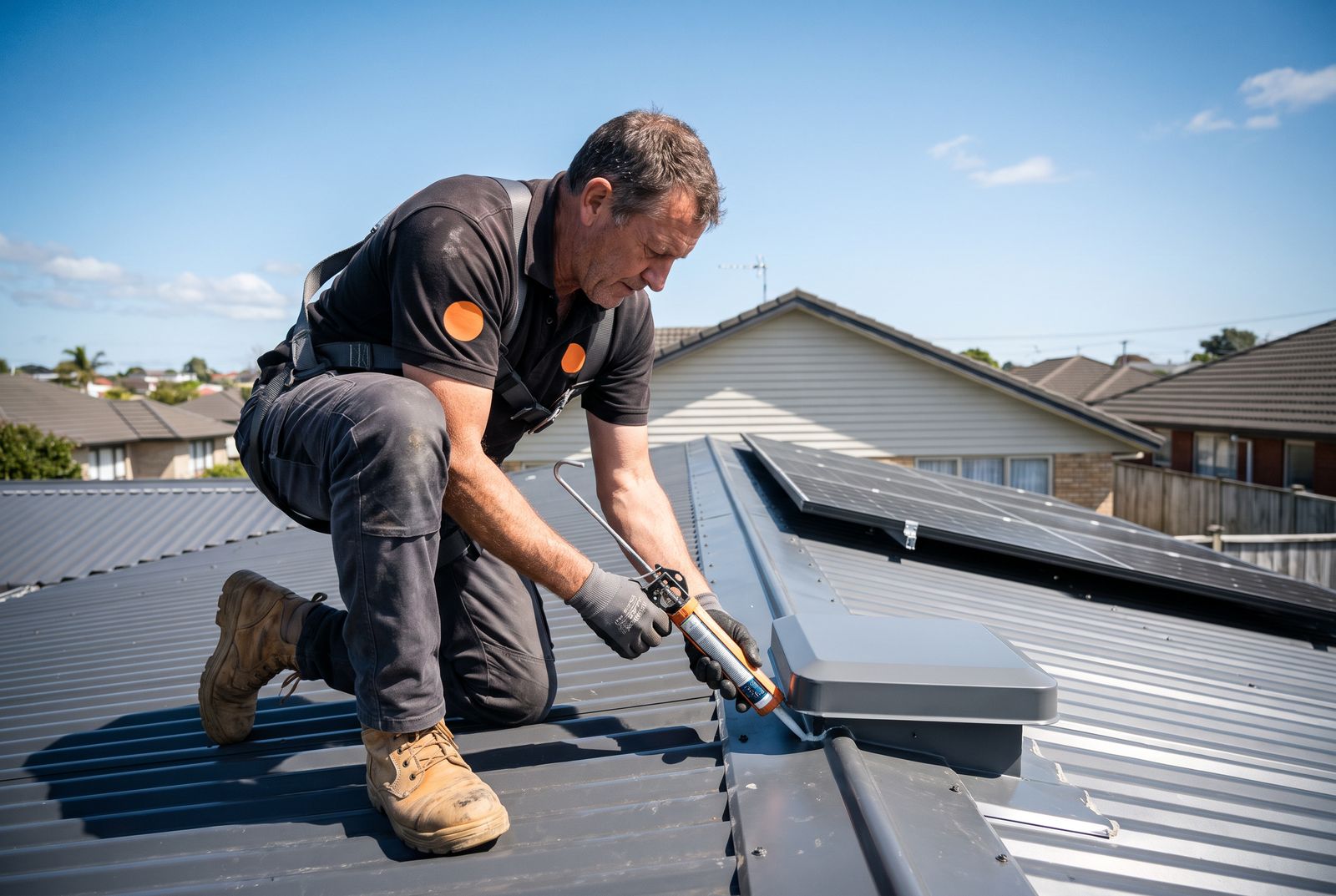 Roof VentilationRoof and ceiling space ventilation that reduces condensation, mould and heat build-up.
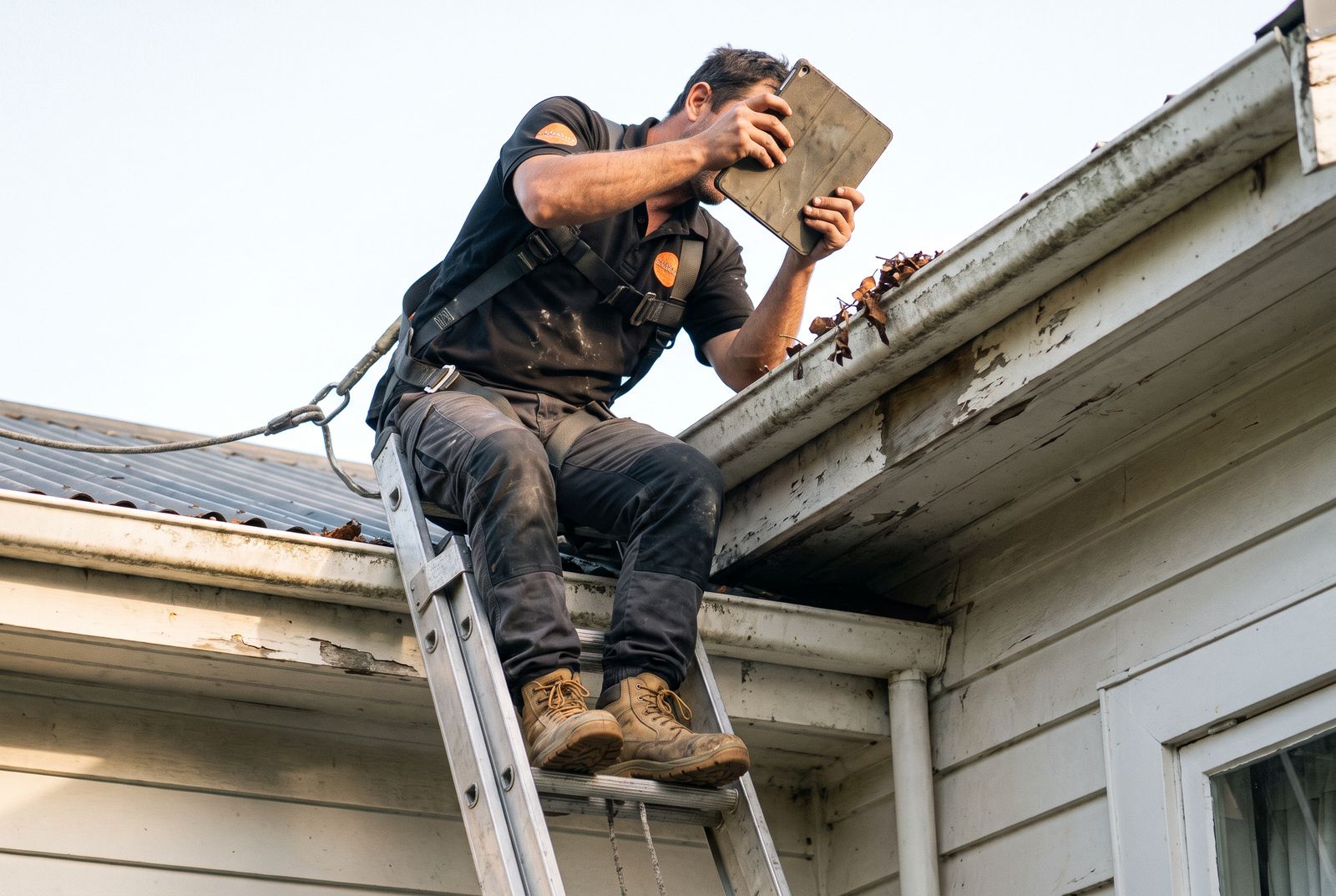 Roof InspectionsA detailed roof report with photos and honest repair or replace advice, for owners, buyers and insurers.
Read Next
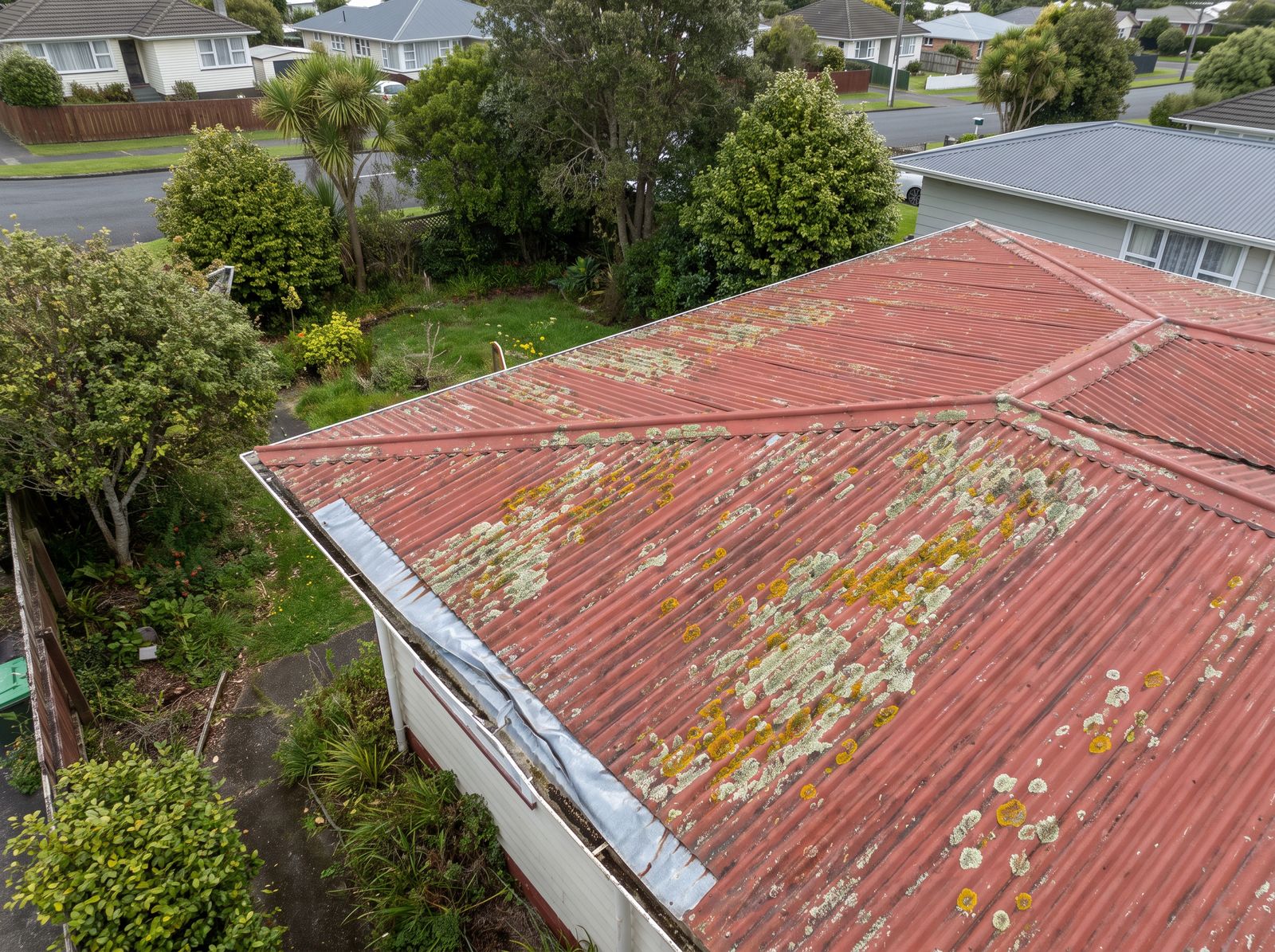
Re-Roofing a Character Villa in Wellington: Rules, Materials and Details
A Wellington villa can be re-roofed in new corrugated steel that keeps its character, and original details such as a bul...
Read article
Rust on Your Roof: Treat It, Paint It or Replace It?
Light surface rust on a metal roof can usually be treated and painted: the rust and loose paint are removed, the roof is...
Read article
How Long Does a Roof Last in Wellington Wind and Salt Air?
The Building Code sets a floor of 15 years for roof cladding with normal maintenance, and a well-chosen, well-kept steel...
Read article