
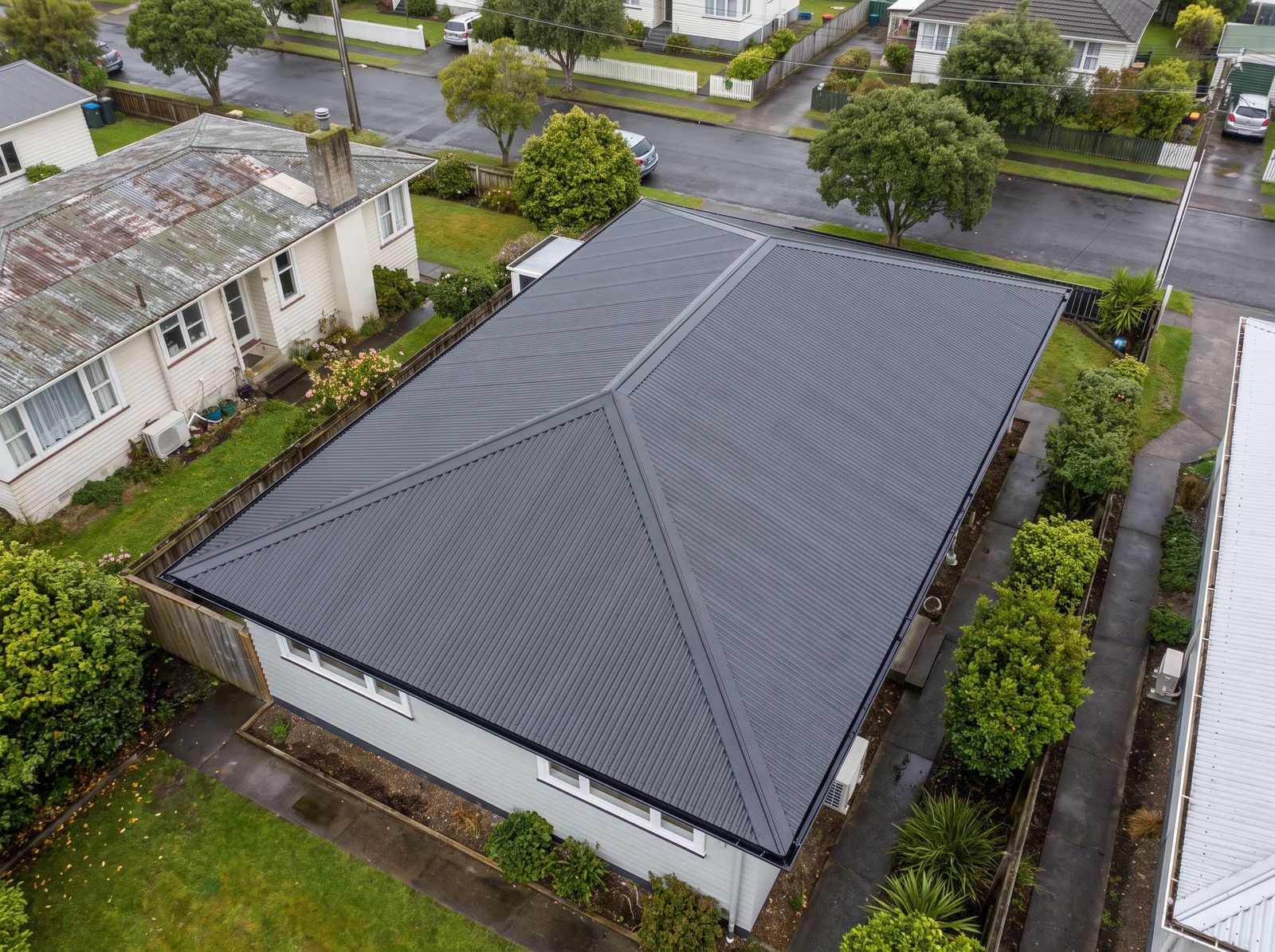
Solar panels on a roof add weight, new fixings through the roofing and a large flat surface for the wind to push and pull on. In a sheltered town that is a modest load. On an exposed Wellington ridge it is the main design question, which is why the national consent rules treat wind zones differently.
This guide covers the consent rules for solar panels on a roof, why the simple exemption stops at the High wind zone, how to tell whether your roof is ready, when it makes sense to re-roof first, and how panels are fixed to longrun steel. It is written from the roof's point of view; your solar installer handles the electrical side.
Do I need consent for rooftop solar in NZ?
Usually not. Changes to Schedule 1 of the Building Act took effect on 23 October 2025 and created two exemptions for roof-mounted solar arrays. The first covers arrays up to 40 square metres in a wind zone no higher than High. The second covers arrays over 40 square metres or in a wind zone higher than High, provided a Chartered Professional Engineer designs or reviews the structural fixings.
Exempt does not mean anything goes. MBIE is clear that exempt work must still comply with the Building Code and other legislation, and your district plan can have its own rules. Separately, connecting to the grid has its own process. Wellington Electricity, which runs the lines network for Wellington, the Hutt Valley and Porirua, asks for an application before a system of 10 kW or less is installed. On the Kāpiti Coast the lines company is Electra, which has its own application process.
- Up to 40 square metres and wind zone Low, Medium or High: exempt
- Over 40 square metres, or wind zone Very High or Extra High: exempt if a Chartered Professional Engineer designs or reviews the fixings
- Every case: must still meet the Building Code and the district plan
Why does the consent exemption stop at the High wind zone?
Because wind load rises steeply above it, and panels catch wind in a way roofing does not. NZS 3604 sets wind zones by design wind speed: High is 44 m/s, Very High 50 m/s and Extra High 55 m/s. A panel array sits off the roof on rails, so wind can get under it as well as over it, and the uplift has to travel through the brackets, the roofing and into the purlins and rafters.
Many Wellington sites are in High, Very High or Extra High wind zones, and some need specific design. Brooklyn is a reminder of why: the wind turbine above it on Polhill was sited there because of Wellington's higher than normal winds. That does not tell you the wind zone of any particular house, though. Zones are set address by address under NZS 3604, and you will usually find yours on consented plans or a LIM.
So the rule is simple in practice. If your address is High or lower and the array is up to 40 square metres, the standard route applies. If not, budget for a Chartered Professional Engineer to design or review the fixings. Either way, check with your council if you are unsure.
Is my roof strong enough for solar panels?
Most sound roofs are, but sound is the key word. Panels add weight and concentrate wind loads at each bracket, so the purlins, rafters and their fixings need to be in good condition. On an older roof, rotten or split purlins, nails that have worked loose or corroded sheets around the laps can all be hidden from below.
A roof inspection before the solar quote answers the question properly. It checks the roofing, the fixings and, through the ceiling hatch, the framing and underlay, and gives you photos to pass to the solar installer or engineer. Where minor faults turn up, roof repairs before the array goes on are far cheaper than lifting panels later to reach them.
Planning solar on your roof?
Cheeky's Roofers checks the roof, the fixings and the framing first and gives you a written report with photos to share with your solar installer.
Should I re-roof before installing solar?
If the roof is near the end of its life, yes. Panels cover a big part of the roof for many years, and removing and refitting an array to replace the roofing underneath is extra cost and disruption that could have been avoided.
Ask two questions. First, how much life does the current roof have compared with the life you expect from the panels? Second, are there any signs of rust, failed coating or leaking laps under where the array would sit? If the answers point to a replacement in the next few years, re-roofing first lets the panels go onto new steel, new underlay and purlins fixed to suit your wind zone. Our roof lifespan guide covers how to judge the first question.
How are panels fixed to longrun roofing?
Panels sit on rails, and the rails are held by brackets fixed through the roofing into the purlins or rafters below. On corrugate and trapezoidal steel, the bracket type has to suit the profile, and every penetration needs to be sealed so it stays watertight as the roof moves with heat and wind.
The details that matter most are where the brackets go, what they are fixed into and what they are made of. Fixing only into the roofing sheet, rather than the structure below, does not carry wind uplift. Brackets and fasteners also need to be compatible with the roofing so they do not cause corrosion where the metals touch. If you are planning a new steel roof with solar in mind, our COLORSTEEL and longrun roofing page explains the profiles, and the bracket layout can be agreed between the roofer and the solar installer before work starts.
Do solar panels change how a steel roof should be maintained?
Yes. The steel under an array is sheltered from rain, so it no longer gets the natural rinse that keeps salt and dirt off the rest of the roof. New Zealand Steel lists the areas under solar panels among the unwashed areas that need manual washing, alongside soffits and the undersides of gutters.
How often depends on the environment. NZ Steel's maintenance table runs from every six months in moderate environments to every three months in severe ones and monthly in very severe ones. Homes within 500 metres of the sea, including the harbour, are likely to be in the higher corrosion zones; around Seatoun and Lyall Bay, for example, check your address on BRANZ Maps. Kāpiti is a different picture again: NIWA records far fewer strong gusts at Paraparaumu than at Wellington Airport, though the beachfront is still exposed to salt.
When should you get a roofer involved in a solar project?
Before the solar quote is signed. A roofer can confirm the roof's condition, say whether it should be replaced first and agree how the brackets fix to the roofing. That conversation is much easier while the array is still a drawing.
Cheeky's Roofers inspects roofs ahead of solar projects and provides a written report with photos you can share with your installer or engineer. If the roof needs work, the quote sets out the options and the order to do them in. You can book an inspection online, and we cover the whole region from the Kāpiti Coast to the Hutt Valley.
Frequently Asked Questions
Do I still need an electrician if the solar is consent exempt?
Yes. The building consent exemption covers the structural side only. The electrical installation must be done and certified by a licensed electrical worker, and connecting to the network needs approval from your lines company, through Wellington Electricity in Wellington, the Hutt Valley and Porirua, or Electra on the Kāpiti Coast.
How do I find my wind zone for a solar project?
Look on your consented building plans or your LIM first. Wellington City Council publishes NZS 3604 wind zones for its urban areas, and BRANZ Maps gives an indicative zone per address. For the engineer route, the engineer will confirm the design wind speed for your site.
Will solar panels void my roofing warranty?
That depends on the roofing manufacturer's terms and how the panels are fixed. Penetrations, bracket materials and the unwashed area under the array can all affect it. Ask the solar installer which brackets they use and check them against your roofing manufacturer's guidance before work starts.
Can panels go on a decramastic or concrete tile roof?
Panels can be fitted to many roof types with brackets designed for them, but older tile and decramastic roofs often have limited life left and fragile tiles. If the roof is likely to need replacing during the life of the panels, replacing it first is usually the better plan.
Do panels need to come off for future roof repairs?
Only if the repair is under or right beside the array. Small repairs elsewhere on the roof can be done with the panels in place. Replacing roofing under an array means removing and refitting the panels, which is why checking the roof before installation pays off.
Our Services
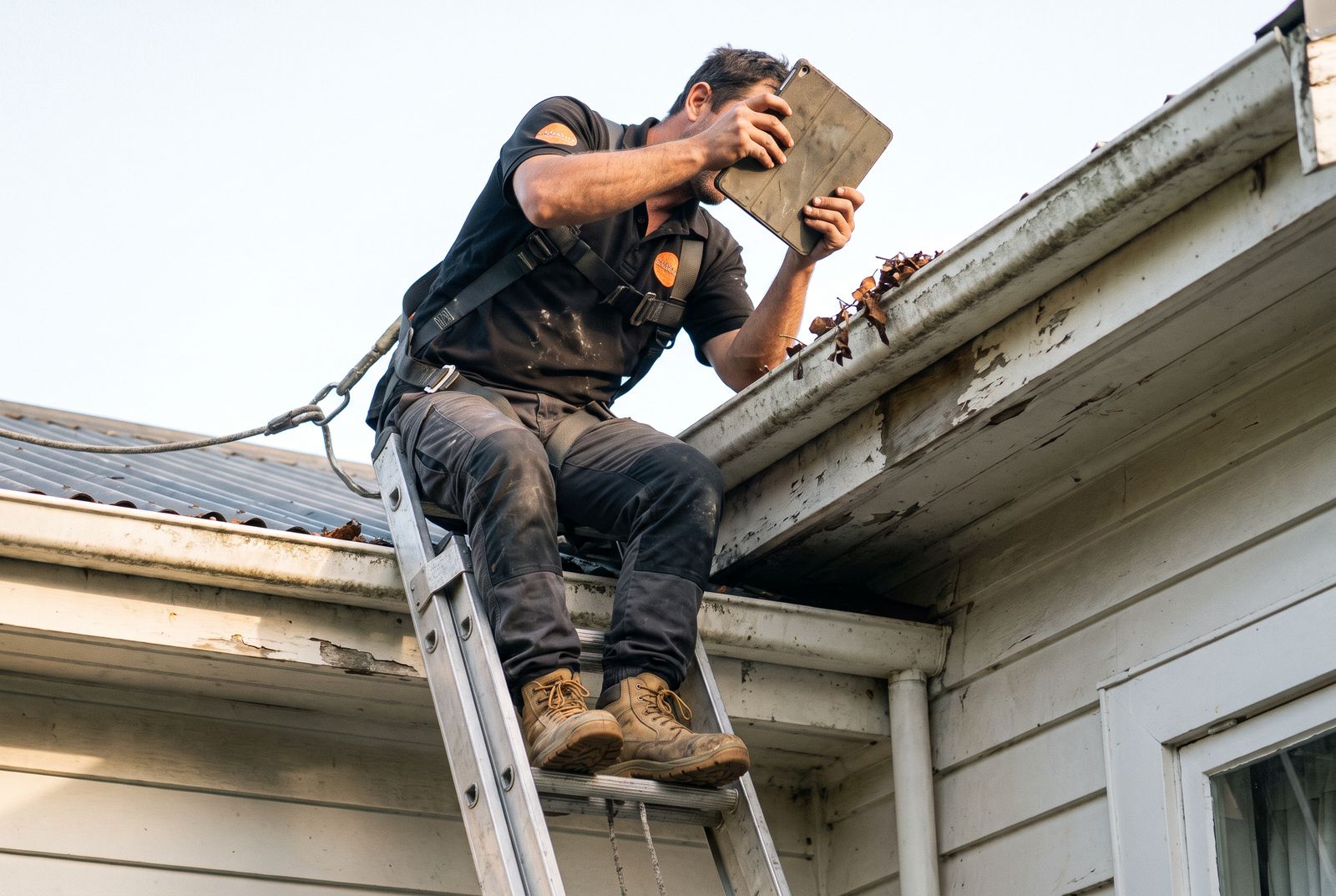 Roof InspectionsA detailed roof report with photos and honest repair or replace advice, for owners, buyers and insurers.
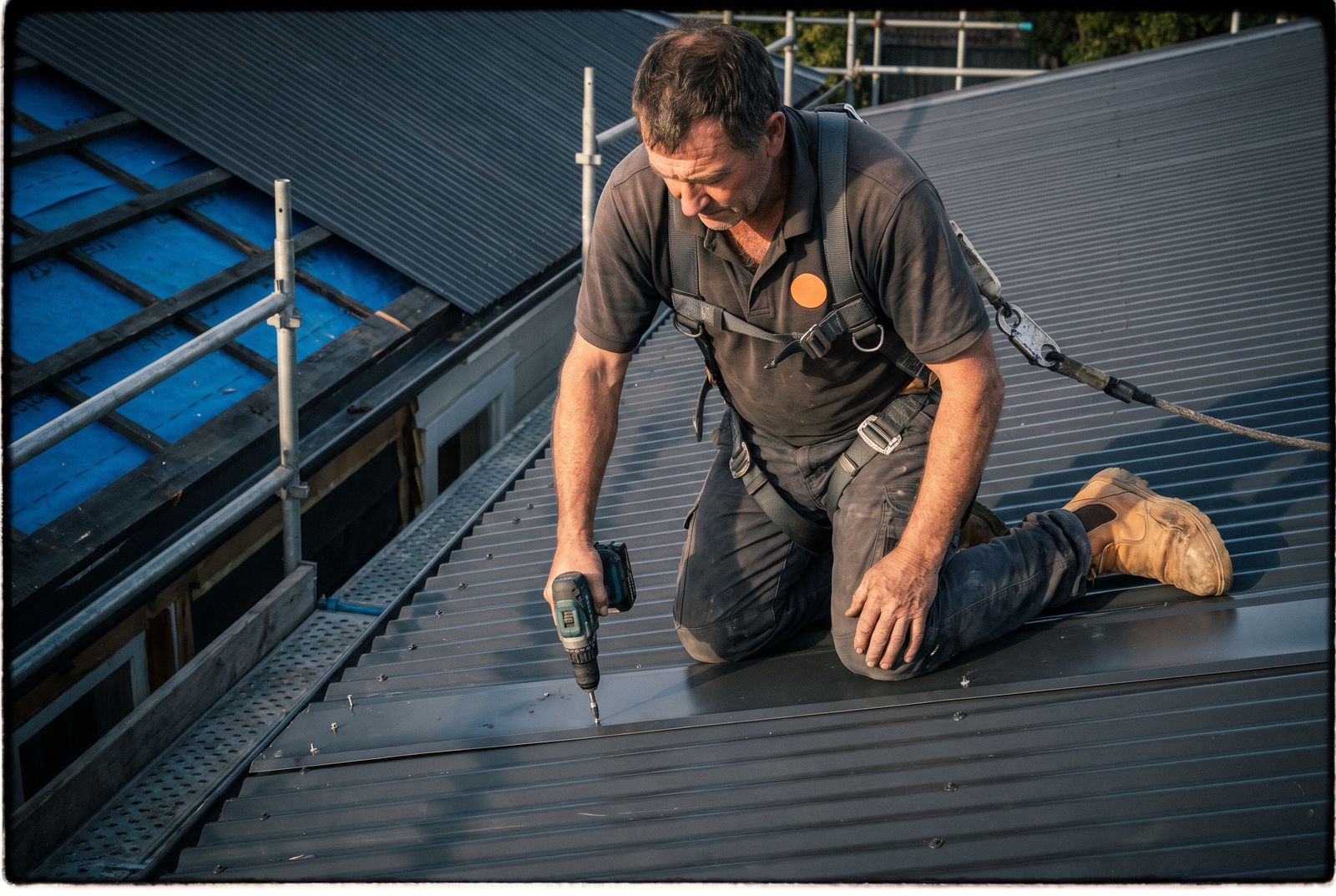 Re-RoofingA full re-roof replaces your old roofing, underlay and flashings with a new COLORSTEEL roof built to today's Building Code.
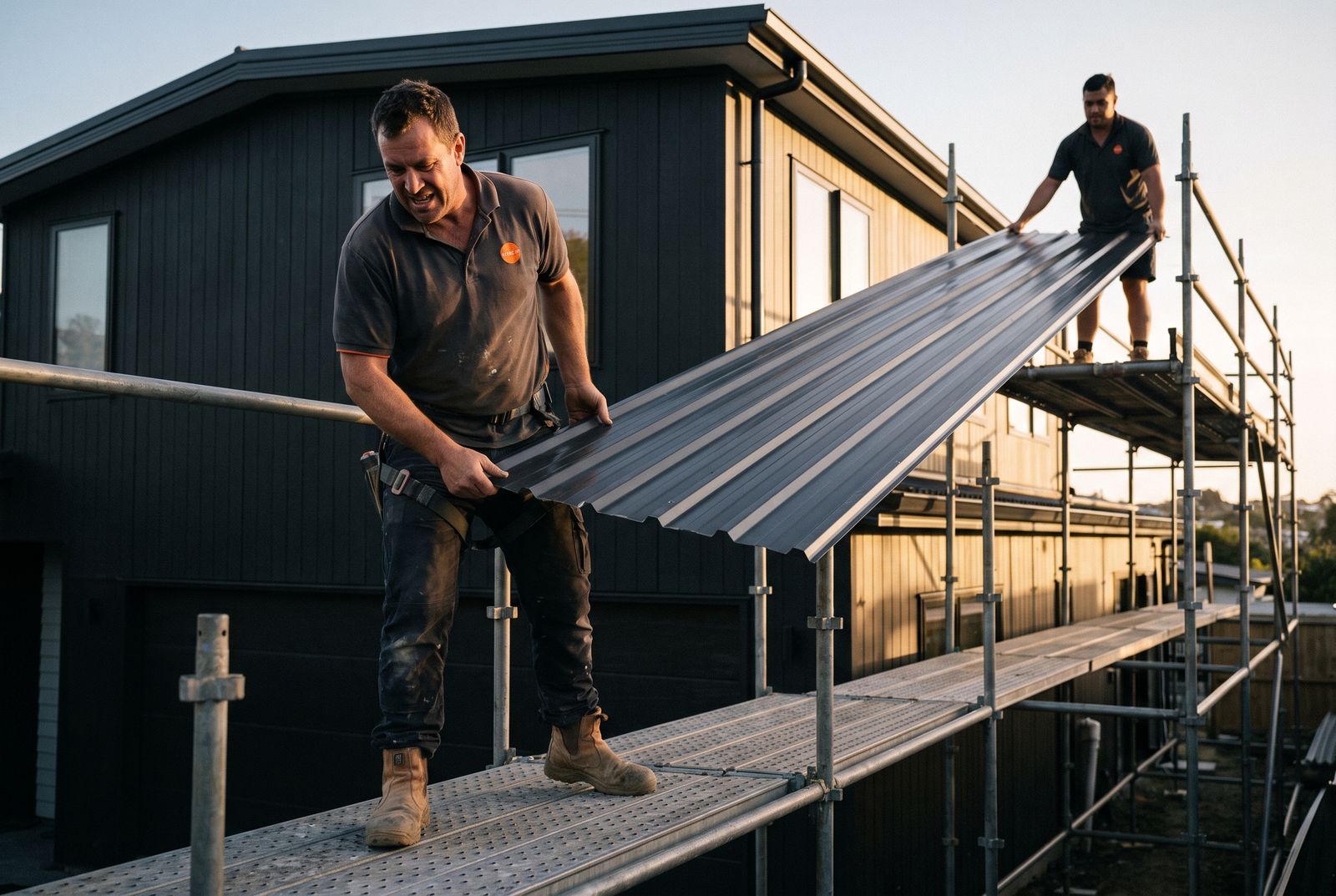 Metal RoofingLongrun COLORSTEEL roofing in corrugate and trapezoidal profiles, rolled to length for your roof.
Read Next
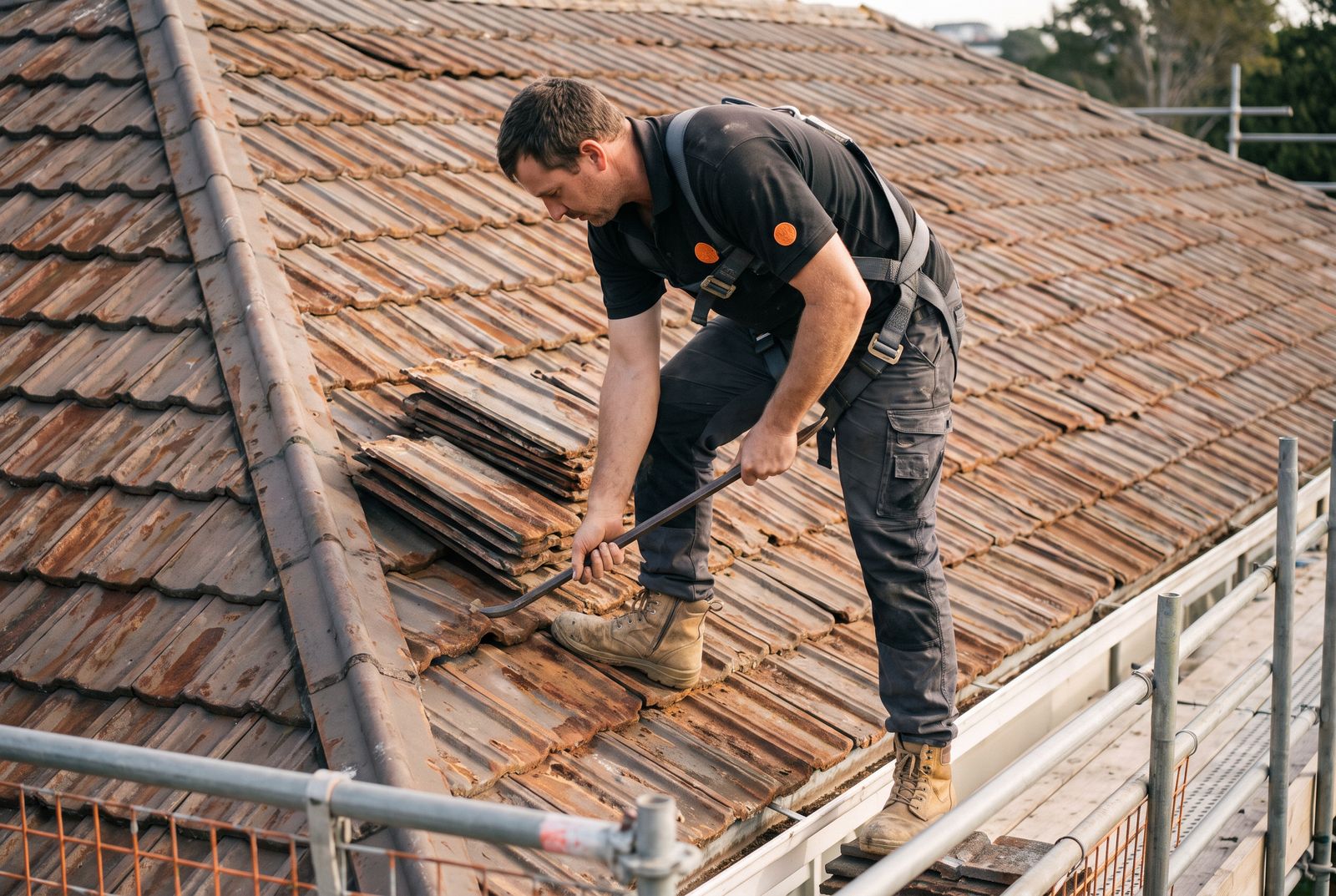
How Long Does a Roof Last in Wellington Wind and Salt Air?
The Building Code sets a floor of 15 years for roof cladding with normal maintenance, and a well-chosen, well-kept steel...
Read article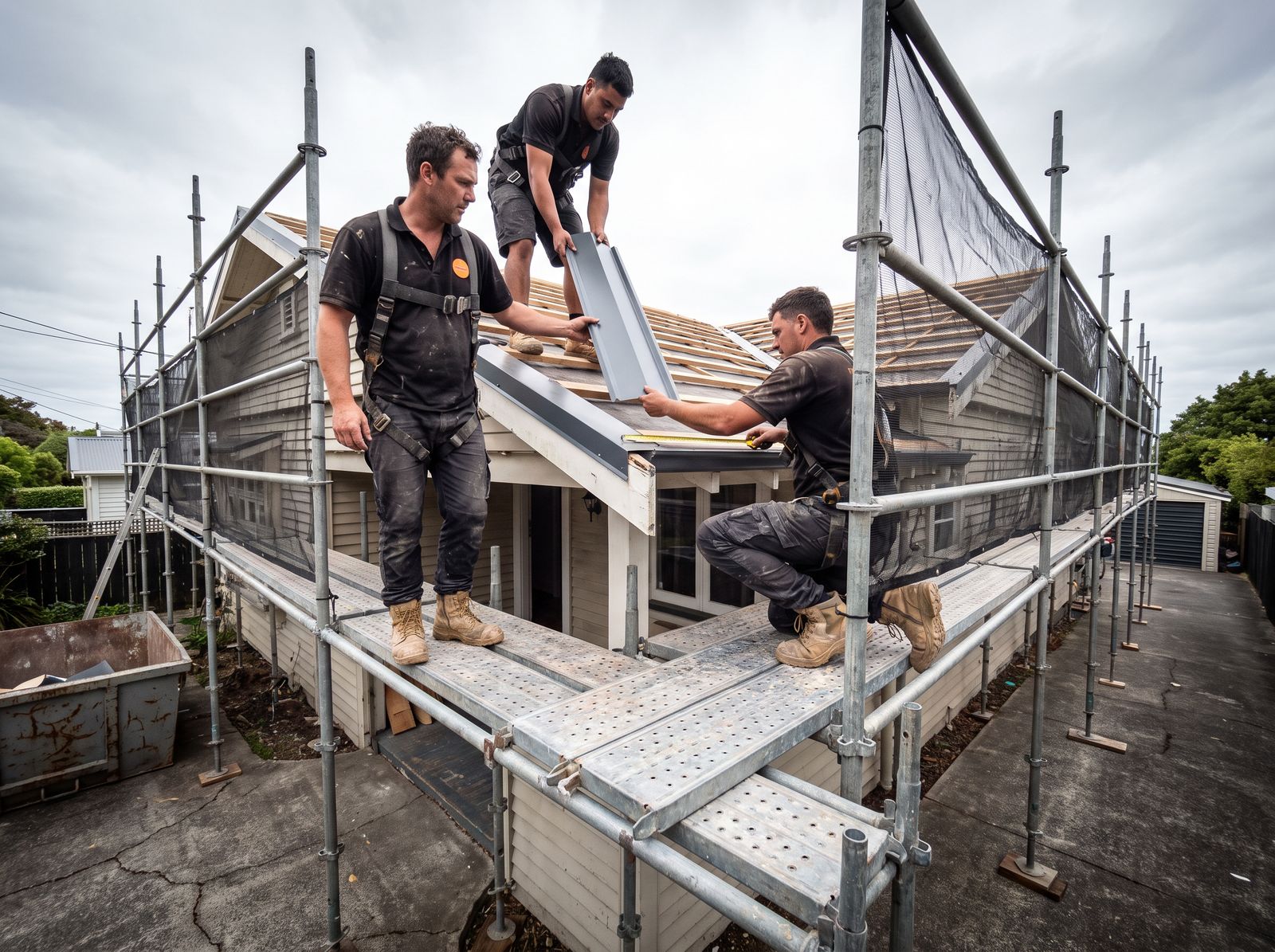
Re-Roofing on a Steep Wellington Section: Access, Scaffolding and Timing
Yes, a steep or walk-up section can be re-roofed, but access shapes the whole job. Materials may go up by hand, on a mat...
Read article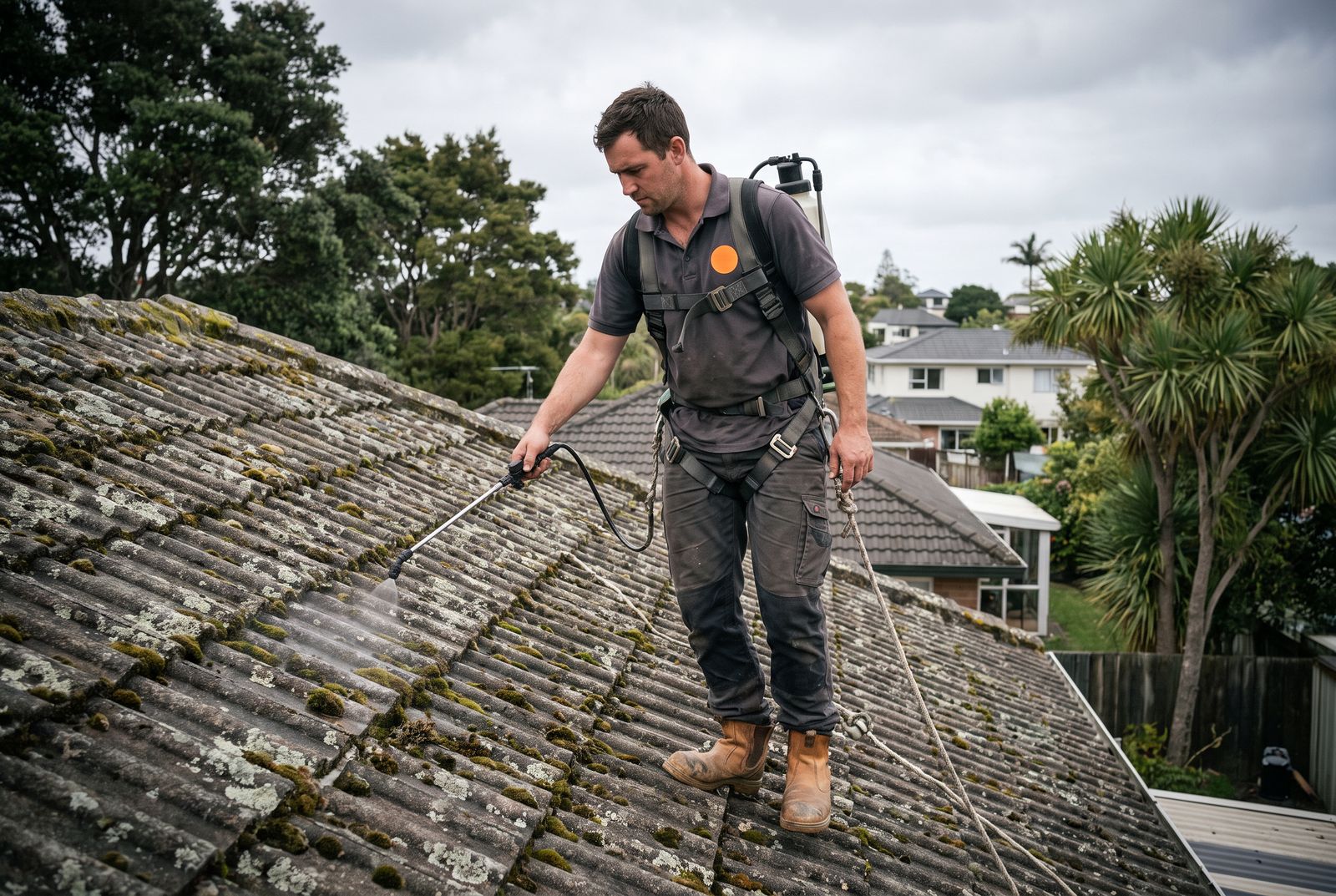
Rust on Your Roof: Treat It, Paint It or Replace It?
Light surface rust on a metal roof can usually be treated and painted: the rust and loose paint are removed, the roof is...
Read articleSources
- MBIE building.govt.nz: Solar panel and boundary setback building consent exemption changes
- MBIE building.govt.nz: Roof-mounted solar panel arrays of less than 40 square metres
- Level (BRANZ): Wind zones
- Wellington Electricity: Small systems of 10 kW or less
- New Zealand Steel: Information Bulletin 12, Maintenance Recommendations