Wellington sits on the Wellington Fault, which runs from Cook Strait through Karori and the city and up the Hutt Valley. GNS Science's It's Our Fault project put the chance of it rupturing in the next 100 years at about 11 percent, with a quake of around magnitude 7.5 expected when it does. Old brick chimneys are a known falling hazard in strong shaking, which is why the Natural Hazards Commission gives them their own guidance.
Older villas and cottages, like those in Thorndon, Mt Victoria and Newtown, date from the era of open fires, so a brick chimney is a common question there. This guide covers whether to remove yours, the consent position, what happens to the roof afterwards, what changes the cost, and whether removing only the top section is enough.
Should I remove my brick chimney before the next big quake?
If you no longer use it, yes: the Natural Hazards Commission says removal is the safest option. Taking the chimney down from the top to floor level removes the risk of bricks or concrete falling through the roof or onto paths, although the Commission notes it is a significant piece of work and the most expensive option.
If removal is not possible straight away, the Commission suggests interim steps: restraints or straps that anchor the chimney to the house, and plywood bracing in the roof space to help stop masonry falling into the home. These reduce the risk while you plan; they do not remove it.
The Commission advises contacting a licensed building practitioner urgently if a chimney shows damage or wear. Signs worth acting on include:
- Cracked, crumbling or missing mortar.
- A chimney that leans or has moved since an earlier quake.
- Loose bricks or a damaged cap at the top.
- Water staining on the ceiling or chimney breast below it.
Do I need consent to remove a chimney?
Often not, but it depends on what the removal affects. MBIE's guidance on exempt building work says removing a building element such as a chimney from a building of up to three storeys does not need a building consent, provided it does not affect the primary structure, any specified system or any fire separation.
In practice, a chimney that forms part of the house's bracing, carries roof framing or sits in a wall that has to be rebuilt may need a consent. It is up to the owner to make sure exempt work really is exempt, so ask your council before work starts. Wellington City Council, Hutt City Council, Upper Hutt City Council, Porirua City Council and Kāpiti Coast District Council all give consent advice.
Character and heritage rules can also apply. The Natural Hazards Commission notes there may be extra requirements for character or heritage homes, and Wellington City's District Plan includes character precincts, so check whether your house is in one before removing a chimney that is visible from the street.
Even without a consent, the roof work that follows still has to meet the Building Code, including clause E2 for keeping water out.
What happens to the roof where the chimney was?
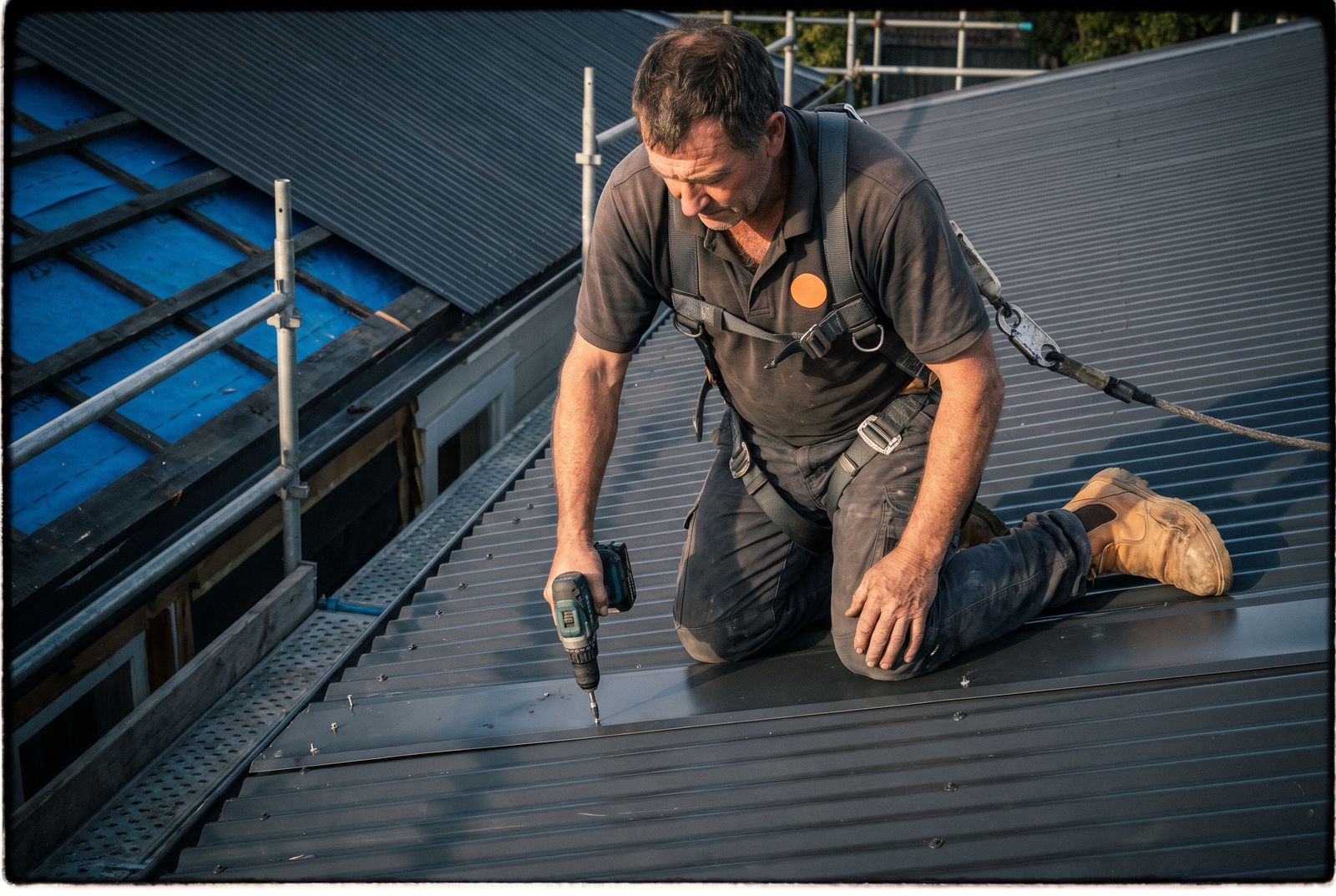
The opening is framed in and the roof is patched or re-sheeted so that area is as weathertight as the rest of the roof. On a corrugated steel roof that usually means new sheets across the gap rather than a small patch, so the laps and fixings line up and water runs straight off.
If the roof is near the end of its life, removing the chimney as part of a re-roof avoids paying for scaffolding and patching twice. Our re-roofing page explains what a full replacement involves.
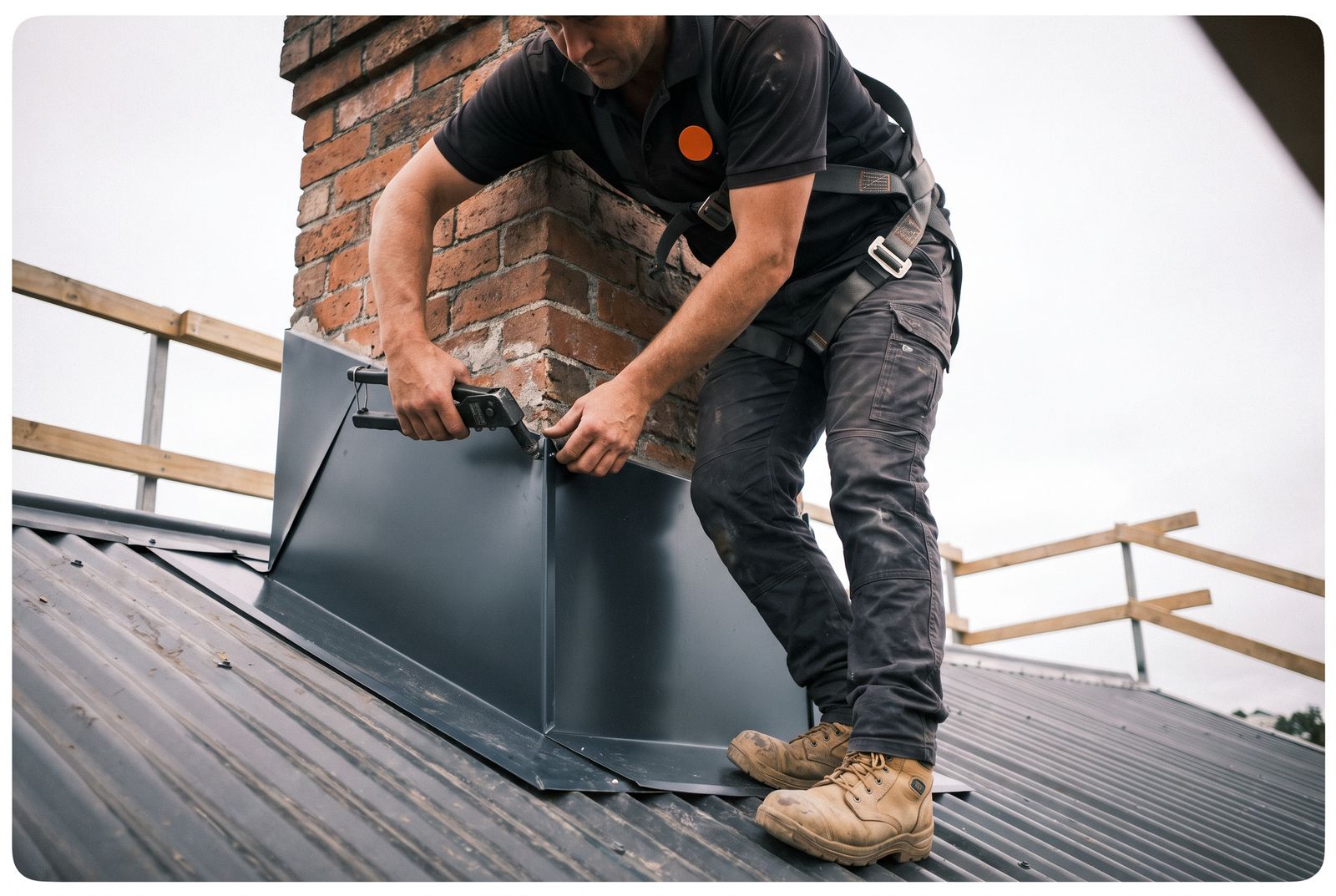
Where the chimney is staying for now, the flashing around it deserves attention, because chimney flashings are a common source of leaks. Our roof flashing repairs service replaces them in matching steel. A typical close-in after removal covers:
- Removing the old chimney flashings and soakers.
- Adding framing to close the opening and carry the new roofing.
- Laying new underlay across the area.
- Fixing new sheets to the pattern for your wind zone and replacing any ridge or apron flashing that was disturbed.
- On a tile or decramastic roof, fitting matching tiles, which can be hard to source for older roofs.
Chimney coming out?
Cheeky's Roofers can close in and re-sheet the roof once the chimney is gone, starting with a free measure and written quote.
What affects the cost of removing a chimney?
The cost depends mainly on how much of the chimney comes down, how easy the site is to reach and how much roofing has to be redone. Those factors vary so much from house to house that a site visit and written quote is the only reliable way to price it.
Ask for a quote that spells out where the debris goes, how the roof will be closed in and what happens inside the house, so you can compare quotes like for like. The main cost drivers are:
| Factor | Why it changes the price |
|---|---|
| Top section only or full removal | Full removal to floor level means more demolition, more waste and making good inside the house |
| Height and number of flues | Taller and double chimneys mean more brick to lower safely |
| Access and scaffolding | Steep sections and narrow side yards can slow scaffolding, materials and waste removal |
| Roof type | Steel can usually be re-sheeted; matching old tiles or decramastic is harder |
| Inside work | Fireplaces, hearths and wall linings may need removing and patching |
| Consent or engineering | If the chimney affects the structure, design and consent add time and cost |
Can I remove only the part above the roofline?
Yes, and it is a sensible middle option. The Natural Hazards Commission says the section above the roofline is the most hazardous part of a chimney, and removing just that section is an option if the fireplace is still in use or the budget is limited.
If you want to keep a working fire, the Commission says the top section can be replaced with a lightweight metal flue, which can go in with a solid fuel heater without replacing the firebox. Installing a new heater or flue brings its own consent and clearance rules, so check those with your council and installer.
The part below the roofline stays in the house, so it is worth asking whether it should be braced or strapped at the same time. Once the top comes off, the remaining stack is capped below the roof and the roof is closed over and flashed so it does not leak.
Who should remove a chimney in Wellington?
Use people who can handle both the demolition at height and the roofing afterwards, because the roof repair is what keeps the house dry. Taking a brick chimney down safely needs scaffolding or edge protection, a plan for lowering bricks and a clean-up of mortar and dust in the roof space.
Cheeky's Roofers can close in the roof, replace flashings and re-sheet the area once a chimney comes out, either as roof repairs or as part of a re-roof. We work across Central Wellington, where many older homes sit on tight hillside sections with limited access.
If you are unsure what your chimney is doing to the roof, a roof inspection gives you a written report with photos of the flashings and roofing around it.
What is the short answer?
An unused brick chimney is safest gone, and the part above the roofline is the priority. Removal is often consent exempt when it does not affect the structure, but check with your council and any character rules first. Plan the roof repair at the same time, and book a free roof inspection if you want the roof around your chimney checked.
Frequently Asked Questions
Can I remove a chimney myself?
It is not recommended. Lowering bricks from a roof is work at height with heavy, loose material, and a dropped brick can injure someone below or damage the roof. The opening also has to be framed, sheeted and flashed properly afterwards. Use people with scaffolding, edge protection and roofing skills.
Should I tell my insurer if I remove my chimney?
It is worth doing. Removing a chimney changes the house and its heating, and your insurer may want the policy details updated. Tell them about the work, and keep the invoices, photos and any council correspondence in case questions come up later.
Is bracing a chimney as good as removing it?
No. The Natural Hazards Commission suggests restraints and plywood bracing in the roof space as interim measures while removal is not possible. They reduce the chance of masonry falling into the home, but removal is the option the Commission describes as safest, so treat bracing as a stopgap.
How do I know if my chimney is reinforced?
You usually cannot tell by looking. The Natural Hazards Commission suggests a licensed building practitioner can confirm whether a brick chimney is reinforced. Age is a clue, but older houses have often been altered over the years, so get it checked rather than assuming.
What happens to the fireplace inside after removal?
With full removal, the fireplace, hearth and chimney breast come out and the wall, floor and ceiling are made good. If only the top is removed, the fireplace can stay, either sealed and unused or, with a new metal flue and heater, as a working fire.
Our Services
 Roof Flashing RepairsFlashings around chimneys, skylights, walls and valleys cause most leaks.
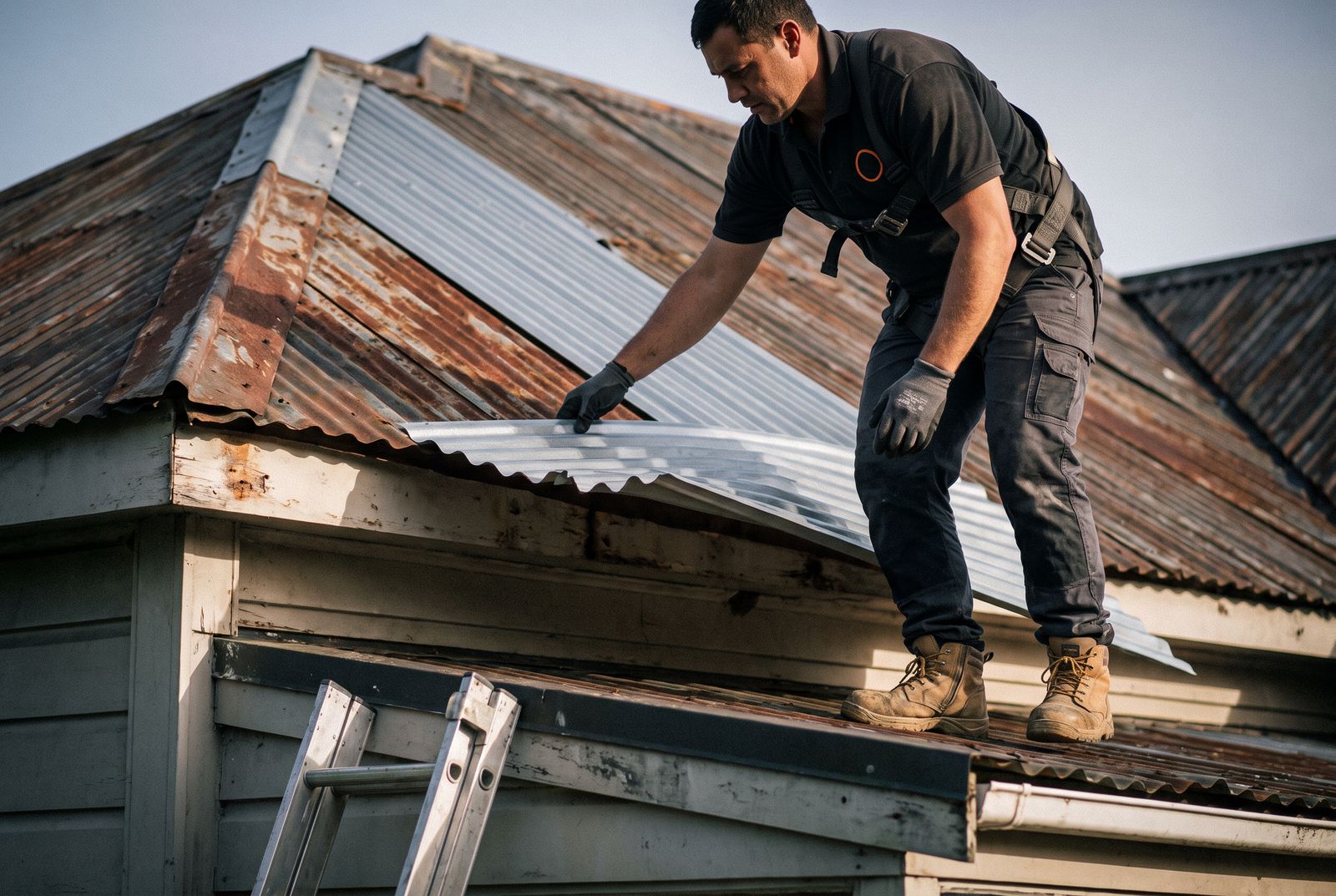 Roof RepairsLeaks, loose sheets, failed flashings and cracked tiles repaired properly, with photos of what we found and fixed.
Read Next
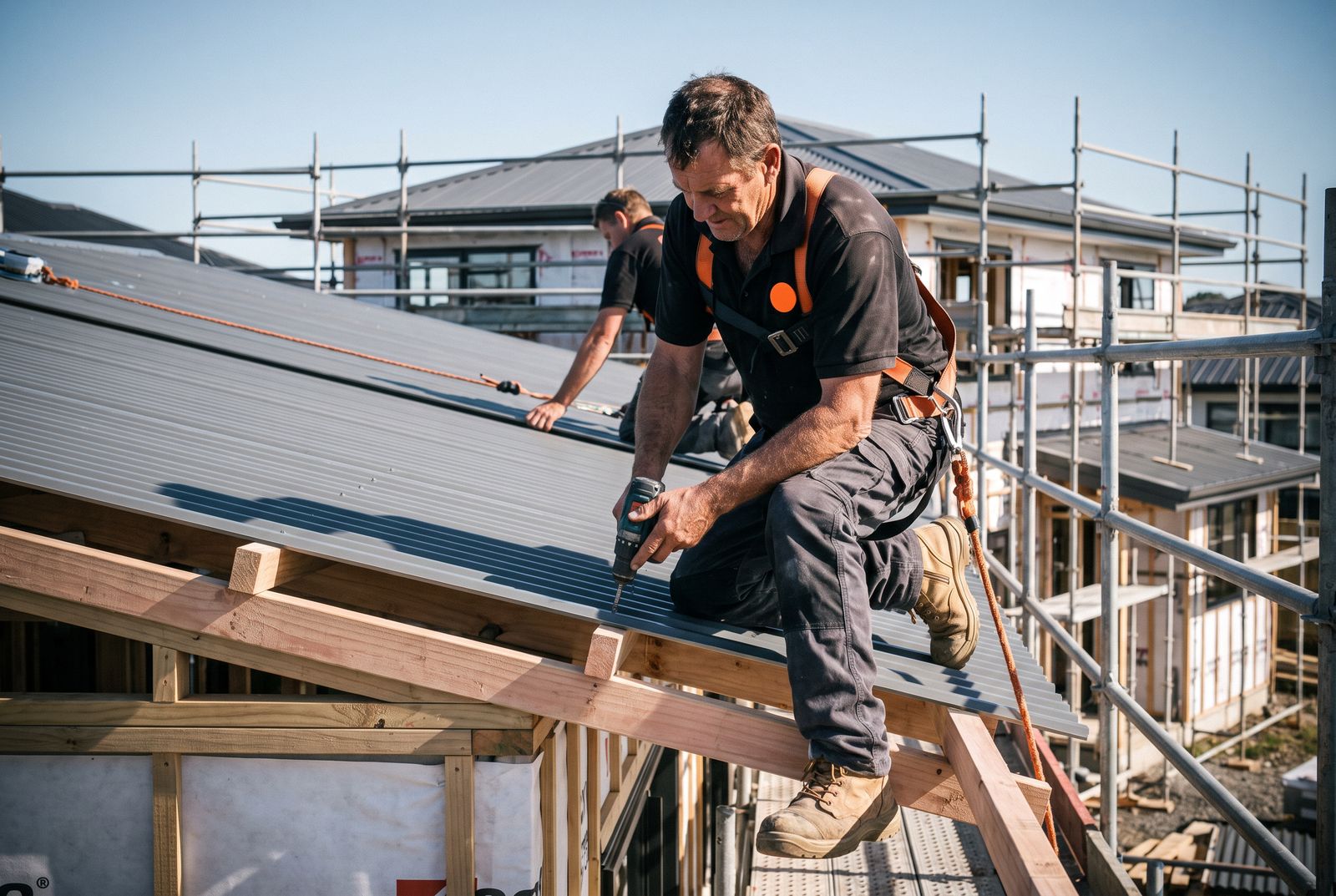
What Wind Zone Is My House In? Wellington Wind Zones Explained
Your wind zone is set for your exact site under NZS 3604, not for your suburb. In Wellington, check your LIM or consent ...
Read article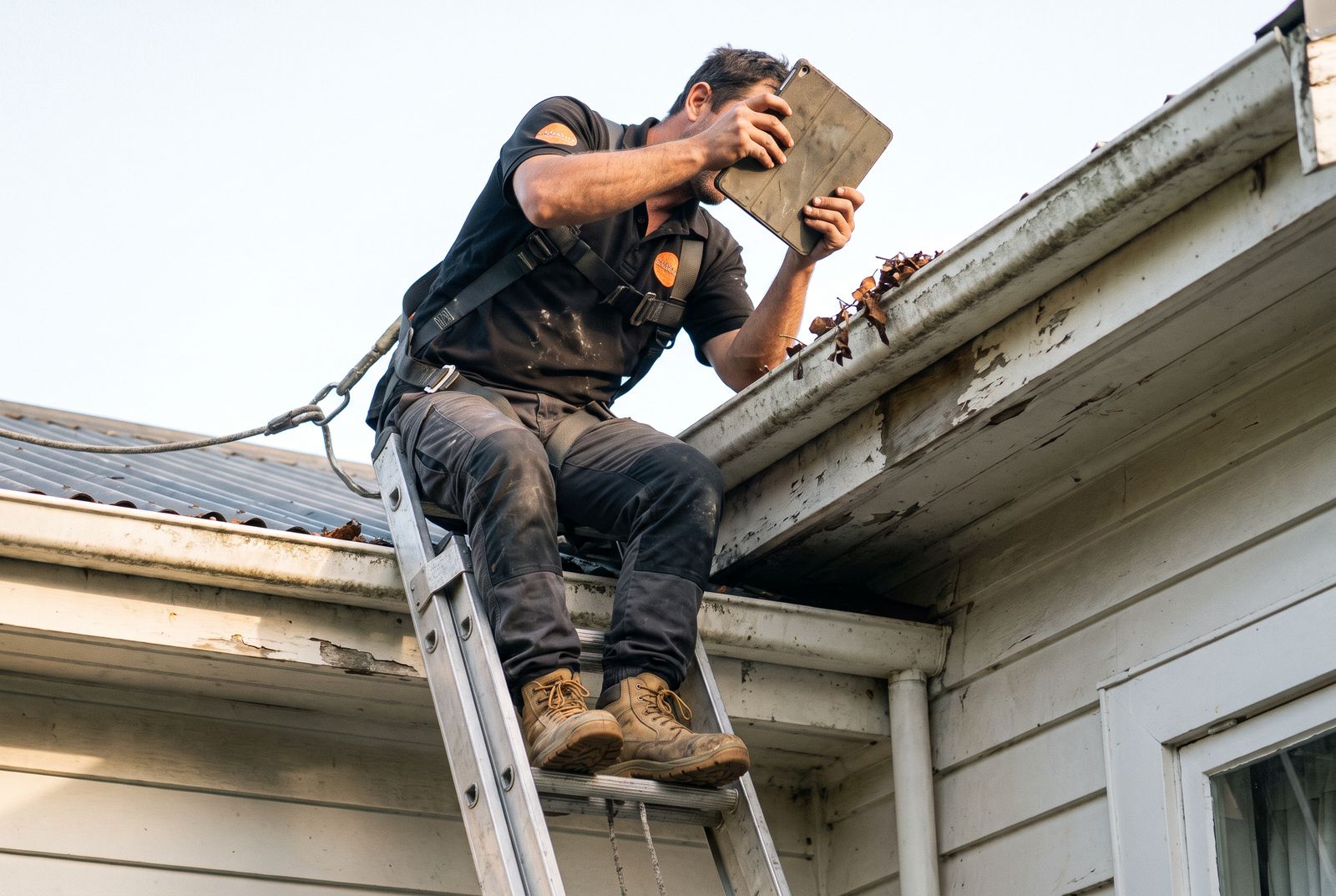
Why Does My Roof Only Leak in a Southerly? Wind-Driven Rain Explained
A roof that only leaks in strong wind and rain usually has a gap that stays dry in calm rain but lets water in when wind...
Read article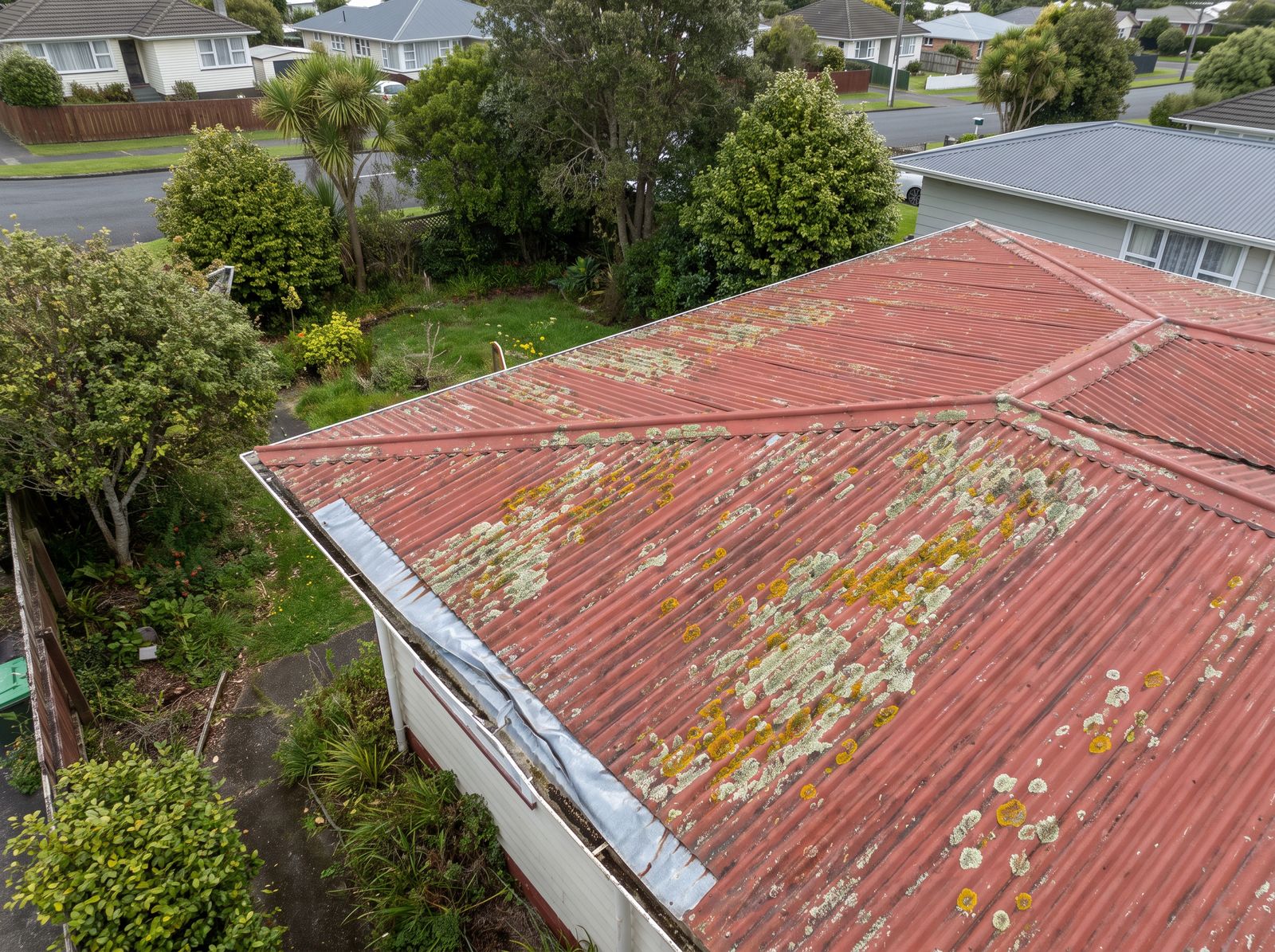
Roof Damaged in a Wellington Gale? What to Do and What Is Covered
Make the house safe first, then photograph everything and call your insurer. House insurance is designed for sudden dama...
Read article