
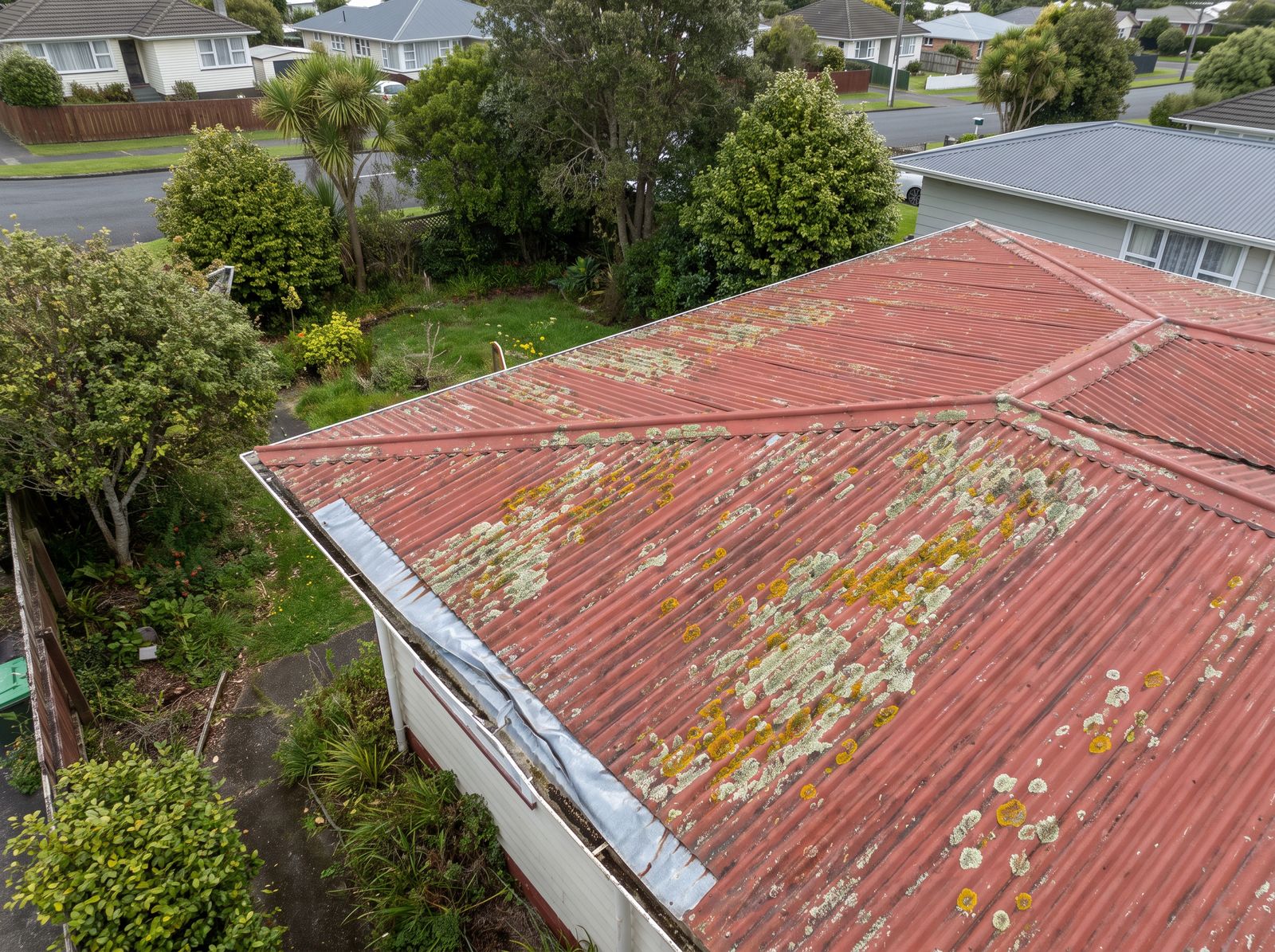
Gales can hit Wellington in any month, though NIWA notes they are most frequent in winter. When one lifts a sheet, tears off ridge capping or drops a branch onto the roof, the next few hours decide how much extra damage the rain does and how smoothly the insurance claim goes.
This guide walks through the first steps, what private insurance and the Natural Hazards Commission each cover, why maintenance matters to a claim, and how to record the damage. For urgent help, our storm damage roof repairs page explains how a make-safe visit works.
What should I do right after wind damages my roof?
Keep people safe, slow the water down if you safely can, and record the damage before anything is moved. Do not go onto the roof in a gale: loose sheets can catch the wind and wet steel is slippery.
Insurers generally expect you to take reasonable steps to limit further damage, so temporary covers are worth arranging quickly. Check with your insurer before any permanent repair starts, so the scope and cost are agreed first. In order:
- Stay clear of loose sheets, flashings and fallen lines. If power lines are down or touching the house, keep well away and call 111.
- Move valuables and electrical items away from drips, put down buckets and switch off lights or power circuits where water is reaching fittings.
- Photograph and film the damage from the ground and inside, before any clean-up.
- Call your insurer to open a claim and ask what temporary repairs they will accept.
- Get a roofer to make the roof safe and watertight with temporary covers, and keep every invoice.
- Keep torn sheets, flashings and other damaged materials until the insurer says they can go.
Does house insurance cover wind damage to a roof?
Usually, yes, when the damage is sudden. The Insurance Council of New Zealand explains that house and contents policies are designed to cover losses that are sudden, unexpected and accidental, which is exactly what a gale tearing off a roof sheet looks like.
The Insurance Council's own example is a storm ripping an iron sheet from a roof that the owner checks and repaints regularly, so that water leaks in and damages the ceiling and walls. In that example the roof damage is covered, and so is the resultant water damage. What your policy pays, the excess and whether temporary repairs are included all depend on your own policy wording, so read it or ask your insurer.
Belongings damaged by rain coming through the hole fall under your contents policy, which may be with the same insurer or a different one. If you rent, the roof is the landlord's claim and your belongings are yours.
Does the Natural Hazards Commission cover storm damage to my house?
No. The Natural Hazards Commission Toka Tū Ake (formerly EQC) provides storm and flood cover for residential land only, under the Natural Hazards Insurance Act 2023 that took effect on 1 July 2024. Damage to the house itself, including the roof, is claimed through your private insurer.
The land cover is limited. The Commission's land cover factsheet says it includes land under your home, land within 8 metres of the home and some related buildings, and land under or supporting your main accessway up to 60 metres from the home, plus some retaining walls, bridges and culverts to a limit. After a storm it can also contribute to removing debris such as fallen trees from insured land.
On Wellington's hillsides that land cover can matter, because saturated ground and slips often come with the same weather that damages roofs. You access it through the levies paid with your private insurance policy, so mention any land damage to your insurer when you lodge the claim.
Storm hit your roof?
Cheeky's Roofers can make your roof safe and supply the photos and report your insurer needs.
Will insurance pay if the roof was old or poorly maintained?
Possibly not, at least for the parts that failed through age. Policies usually exclude wear and tear and gradual deterioration such as rust, rot and corrosion, and most require you to take reasonable care of the house.
The Insurance Council's guide contrasts two roofs. One owner checks for loose nails each spring and repaints regularly, and storm damage to that roof is covered. The neighbour never checks or paints, the roof rusts through and leaks in heavy rain, and that damage is not covered because it happened gradually and could have been prevented.
Resultant damage can also be declined if it built up slowly, or if you knew about a problem and did nothing. A roof that has leaked a little in every big blow for a year is a weak claim when the ceiling finally gives way.
The best protection is evidence that the roof was looked after. Keep invoices for repairs, painting and cleaning, and consider a periodic roof inspection, which gives you a dated written report with photos of the roof's condition before any storm.
How should I photograph and record roof damage?
Take wide shots that show where the damage sits on the house, then close-ups of each problem, and do it before any clean-up or temporary repair. Phone photos are fine as long as they are sharp and keep their date and time.
Do not climb onto a damaged roof for photos. A roofer can photograph the roof surface safely during the make-safe visit, and a written storm damage report gives the insurer a clear account of the cause and extent. Cheeky's Roofers supplies insurance reports with photos as part of storm repair work. Your record should cover:
- From the ground: every side of the roof, missing or lifted sheets, bent flashings, damaged spouting and anything that fell into the section.
- Inside: ceiling stains, damaged walls, floors and contents, and wet insulation you can see from the ceiling hatch without climbing in.
- Context: a short video walking around the house, and a note of the date and time the damage happened.
- Debris: torn sheets, flashings or branches, kept aside if you can store them safely.
- Paperwork: your policy number, the claim number and every invoice for make-safe work.
When should you call a roofer after a gale?
Call as soon as water is getting in or any part of the roof is loose, because a lifted sheet can tear free in the next gust and damage neighbouring property. Even if the roof looks fine, a check after a big blow can pick up lifted fixings and bent flashings before the next rain.
In strong wind the edges, corners and ridges of a roof take the highest loads, and older nailed fixings are often the first to let go. Our guide to replacing roof nails with screws explains why.
Cheeky's Roofers works across the region, from the eastern and southern suburbs to the Hutt Valley and Porirua. After the make-safe we can quote the permanent roof repairs your insurer approves.
What is the short answer?
After a gale, get safe, record everything, call your insurer and get the roof made watertight. Sudden wind damage to a maintained roof is what house insurance is for; rust and long-running leaks usually are not. The Natural Hazards Commission covers some land, not the house. If your roof needs a make-safe or an insurance report, book online or call us.
Frequently Asked Questions
How soon should I lodge a roof damage claim?
Check your policy, but tell your insurer as soon as you reasonably can. Delays make it harder to show the damage came from a particular storm rather than slow wear, and further damage after you knew about the problem may not be covered. Lodging early also lets you ask what temporary work they will accept.
Can I choose my own roofer for an insurance repair?
That depends on your insurer. Some manage repairs through their own builders and roofers, while others ask you to get quotes and approve one. Ask when you lodge the claim, and make sure any roofer you use gives the insurer a clear written scope, photos and an itemised quote.
Will my insurer pay for temporary covers?
Ask your insurer when you lodge the claim. Temporary covers limit further damage, which insurers expect you to do, but what is reimbursed depends on your policy. Keep the invoice and photos of the temporary work so it can be assessed with the rest of the claim.
Is a leak during a storm always storm damage?
Not necessarily. A roof can leak in a storm because wind pushes rain through a gap that has been there for years, such as a short flashing or a loose fixing. Insurers look at the cause, so a leak with no fresh damage may be treated as gradual. Our guide to wind-driven rain leaks explains the difference.
Does a roof inspection report help a claim?
It can. A dated report with photos shows the condition of the roof before a storm and that you have taken reasonable care of it. After a storm, a roofer's report recording the cause and extent of the damage gives the insurer a clear starting point for assessing the claim.
Our Services
 Emergency Roof RepairsStorm damage made safe fast, then repaired with the photos and reports your insurer needs.
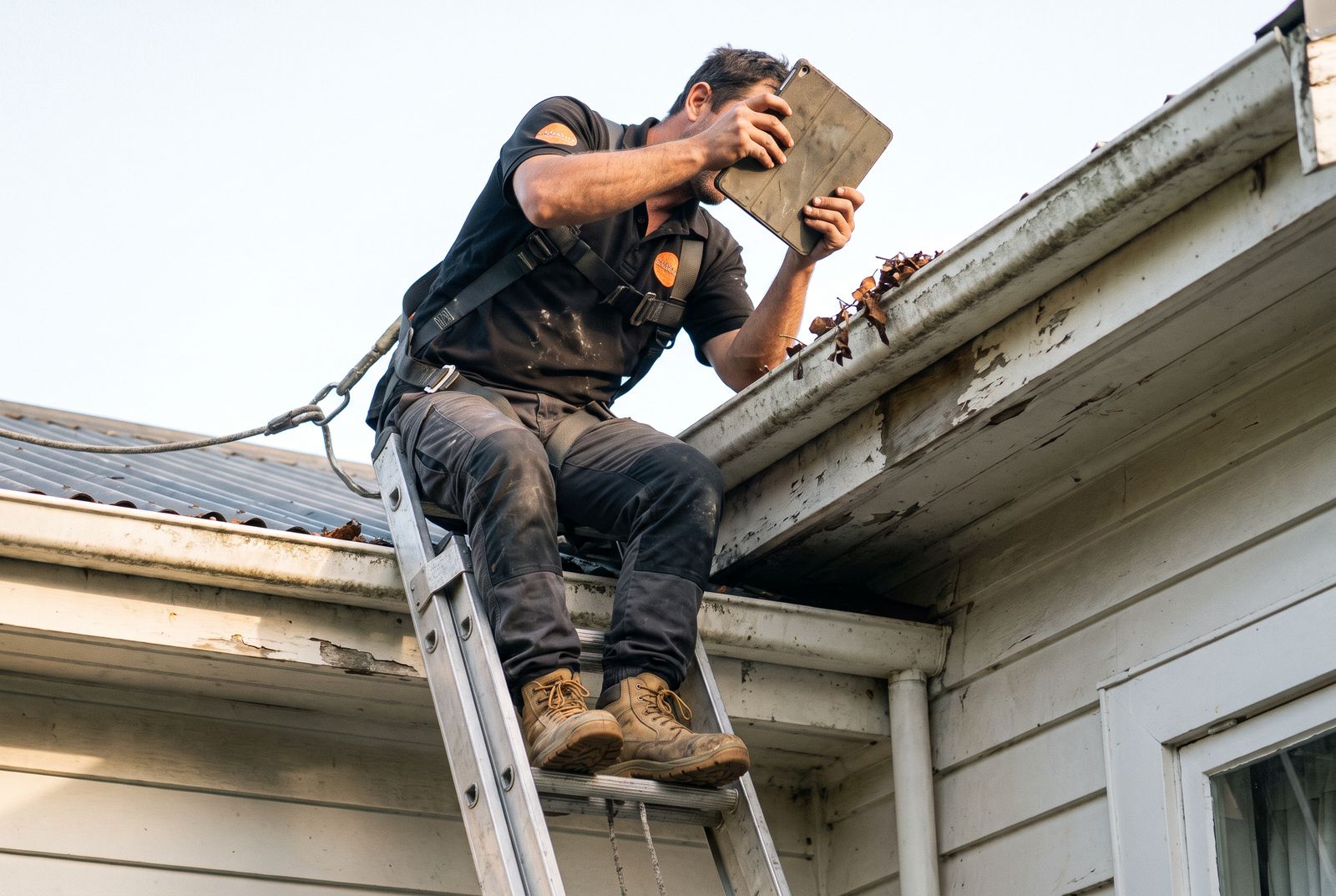 Roof InspectionsA detailed roof report with photos and honest repair or replace advice, for owners, buyers and insurers.
Read Next
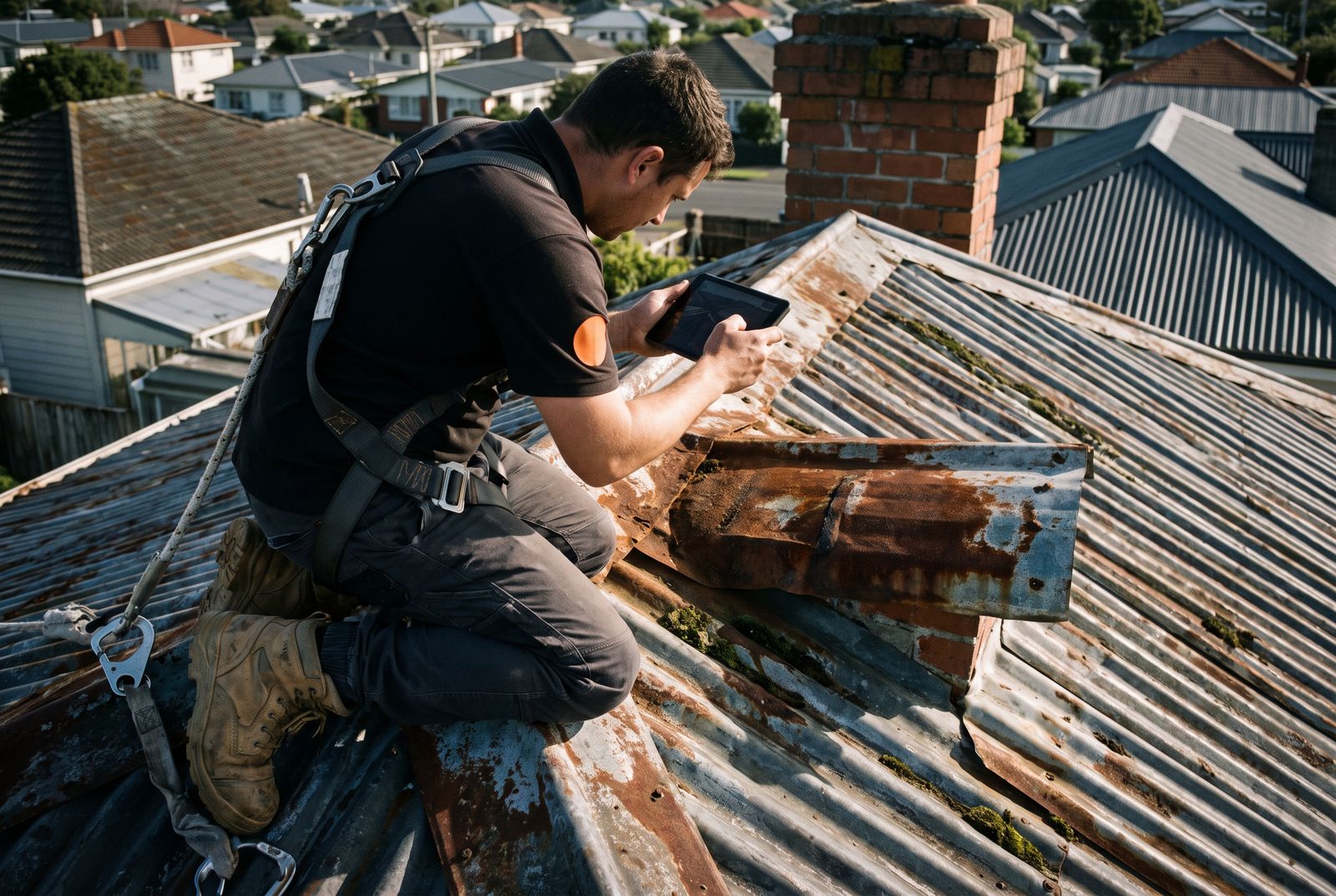
Roof Rattling in the Wind? Replacing Roof Nails With Screws
A roof that rattles or bangs in the wind usually has fixings that have loosened, most often old nails that have backed o...
Read article
Why Does My Roof Only Leak in a Southerly? Wind-Driven Rain Explained
A roof that only leaks in strong wind and rain usually has a gap that stays dry in calm rain but lets water in when wind...
Read article
What Wind Zone Is My House In? Wellington Wind Zones Explained
Your wind zone is set for your exact site under NZS 3604, not for your suburb. In Wellington, check your LIM or consent ...
Read article