
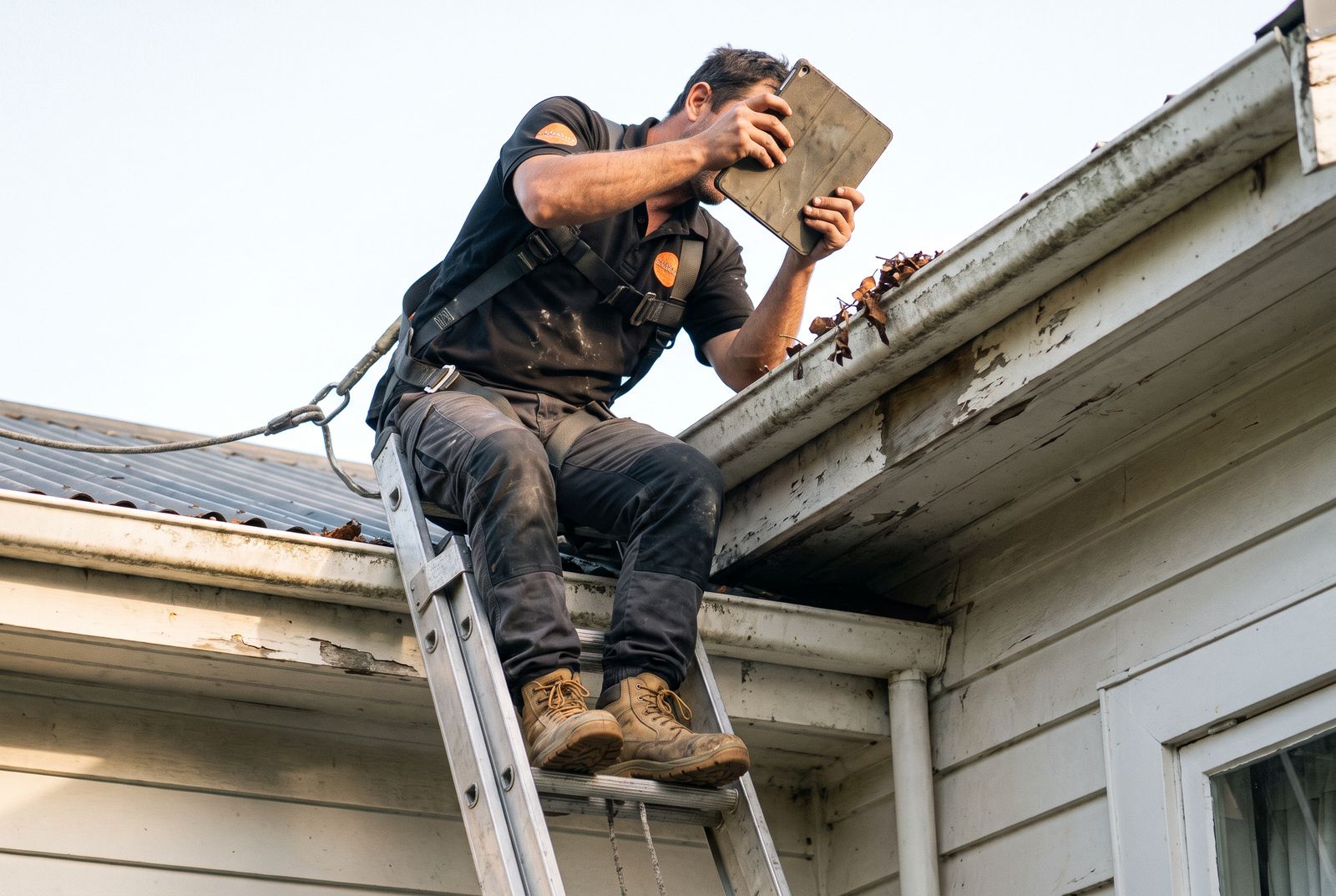
In calm rain, water runs down a roof by gravity. In a Wellington blow it does not. NIWA's records show Wellington Airport gets gusts over 63 km/h on 166 days a year, and winter, the wettest season, is also when gales are most frequent. Wind-driven rain is pushed up laps, under flashings and through any gap the roof's details were not built to handle.
This guide explains why some leaks only appear in a southerly or a big northerly, which parts of the roof are usually to blame, how the Code of Practice sizes flashings for wind, and how a roofer tracks down a leak you cannot reproduce on a calm day.
Why does my roof leak only in strong wind and rain?
Because wind changes the direction water travels. Pressure differences across the roof can drive water sideways along a lap, up under a flashing or back through a fixing hole that sits above the normal flow, so a detail that copes with still rain fails when wind and rain arrive together.
Building Code clause E2 External Moisture requires roofs to keep water out, and the accepted details get more demanding as the site's wind zone rises, because higher zones see more wind-driven water. A roof built or repaired with details suited to a lower zone than the site really has can stay dry for years, then leak in the first big blow from one direction.
That is also why the leak often shows up from one wind direction only. A flashing facing into the wind takes water that the same flashing on the sheltered side never sees.
Which parts of a roof let wind-driven rain in?
Junctions and edges let in most wind-driven rain, because that is where the sheet profile is interrupted and keeping water out depends on flashing cover and turn-ups rather than on water simply running off.
Valleys and internal gutters can also overflow when wind holds water against one side of the roof, and wind-blown leaves make it worse, so clear gutters before winter. The usual entry points are:
- Ridge and hip cappings with too little cover, or no closure against the sheet profile.
- Barge flashings at gable ends, where the wind hits first.
- Apron and parapet flashings where the roof meets a wall.
- Chimney, skylight and pipe penetrations with short upstands or aged seals.
- Side laps between sheets, especially on low pitches.
- Fixings with perished washers, or nails that have backed out.
- Spouting that overflows back under the roof edge in heavy rain.
Are my flashings and ridge caps built for Wellington wind?
Only if their cover matches your wind zone and roof pitch. The NZ Metal Roof and Wall Cladding Code of Practice says a flashing's weathertightness is set by its cover, not its overall size, and lists wind exposure as one of the factors that decide the cover required.
Put simply, a standard ridge on a low-pitched roof in a Very High zone does not meet the Code of Practice. Older roofs may have been flashed to an earlier standard, so a storm-only leak is a good prompt to check what you actually have.
The wind zone for your property is on your LIM or consent plans, and our guide to finding your wind zone explains where to look. The Code of Practice groups ridge flashings like this:
| Code of Practice category | When it applies | Ridge flashing cover |
|---|---|---|
| A | Low, Medium and High wind zones at any pitch, and Very High or Extra High zones at 10 degrees or steeper | 130 mm, standard ridge |
| B | Very High zones below 10 degrees, and Extra High zones at any pitch | 200 mm, wide ridge |
| C | Specific design sites up to 60 m/s | 200 mm, wide ridge |
| D | Specific design sites up to 68 m/s | 200 mm, wide ridge plus a baffle |
Leak only in a storm?
Cheeky's Roofers can trace a wind-driven leak to its source and fix the flashing, capping or fixing behind it.
How do roofers find a leak that only happens in storms?
By working back from the water to the roof, then testing the likely entry points. Water travels along underlay, purlins and framing before it drips, so the ceiling stain is rarely directly under the gap.
A hose cannot fully copy a gale, so a roofer may need to fix the most likely entry points first and confirm the result in the next storm. A simple diary of when the leak appears, with photos, is one of the most useful things a homeowner can provide.
Our roof leak repairs service tracks leaks to the source, which is often nowhere near the stain on your ceiling. A typical search runs like this:
- Note when it leaks: wind direction, rain intensity and how soon after the rain starts.
- Check the ceiling space during or soon after rain, if it is safe, for wet timber, staining and drip trails.
- Inspect the roof details on the windward side: cappings, flashings, laps and fixings.
- Water test suspect areas with a hose, working from low to high, while someone watches inside.
- Photograph what is found so the repair can be checked and recorded.
Can a storm-only leak be fixed without re-roofing?
Usually, yes. Many wind-driven leaks come from a specific detail, so replacing a flashing, fitting a wider ridge, adding closures or re-fixing a lap often solves it without touching the rest of the roof.
Re-roofing becomes the better option when the sheets are rusted through, when leaks appear in several places at once, or when the whole roof was fixed for a lower wind zone than the site has. Then patching leak after leak can cost more over time than a roof built to the current standard.
Our roof flashing repairs service replaces flashings in matching steel with the cover your site needs. Common targeted fixes include:
- Replacing short or damaged flashings with ones that have the right cover for the zone and pitch.
- Fitting profiled closures or baffles under ridges and barges.
- Re-fixing loose sheets and replacing failed washers or nails.
- Re-flashing or resealing skylights, chimneys and pipe penetrations.
When should you call a roofer about a wind-driven leak?
Call after the first storm-only leak, not the fifth. Each storm wets the framing, insulation and ceiling again, a long-running leak can turn a small flashing job into rot repairs, and damage that builds up slowly is harder to claim on insurance.
Cheeky's Roofers covers the whole region, from Porirua and the northern suburbs to the Hutt Valley. A free roof inspection with photos is a good starting point if you are not sure where the water is coming from.
What is the short answer?
A leak that only shows up in wind and rain is a detail that cannot handle sideways water, usually a flashing, capping, lap or fixing. In Wellington's wind zones, flashing cover has to suit both the zone and the pitch. Find the entry point, fix that detail to the current Code of Practice, and you can usually avoid a re-roof.
Frequently Asked Questions
Why is the ceiling stain nowhere near the leak?
Water that gets in on a windy day often lands on the underlay or a purlin and runs along it before dripping. It can travel some distance before it reaches the ceiling, so the stain marks where the water came out, not where it got in.
Can sealant fix a wind-driven leak?
Sealant can be a short-term patch, but it is rarely a lasting fix on a metal roof. It breaks down with sun and movement, and it does not add the flashing cover that wind-driven rain needs. A proper repair corrects the detail itself, such as a wider flashing or a closure.
Could it be condensation rather than a leak?
It can be. Moisture forming on the underside of a metal roof can drip and look like a leak. A wind-driven leak lines up with storms, while condensation tends to show up in cold, still weather. A roofer can usually tell which by checking where and when the water forms.
Will my insurer pay for a leak that only happens in storms?
It depends on the cause. Sudden storm damage, such as a flashing torn loose, is what house policies are designed for, but a leak from a long-standing gap or worn fixings may be treated as gradual damage. Report it promptly and keep photos and dates.
Do skylights leak more in wind?
They can, if the flashing kit or upstands do not suit the exposure or the seals have aged. Wind pushes water up and around the frame, so a skylight that is dry in normal rain can leak in a storm. Re-flashing or replacing the kit usually fixes it.
Our Services
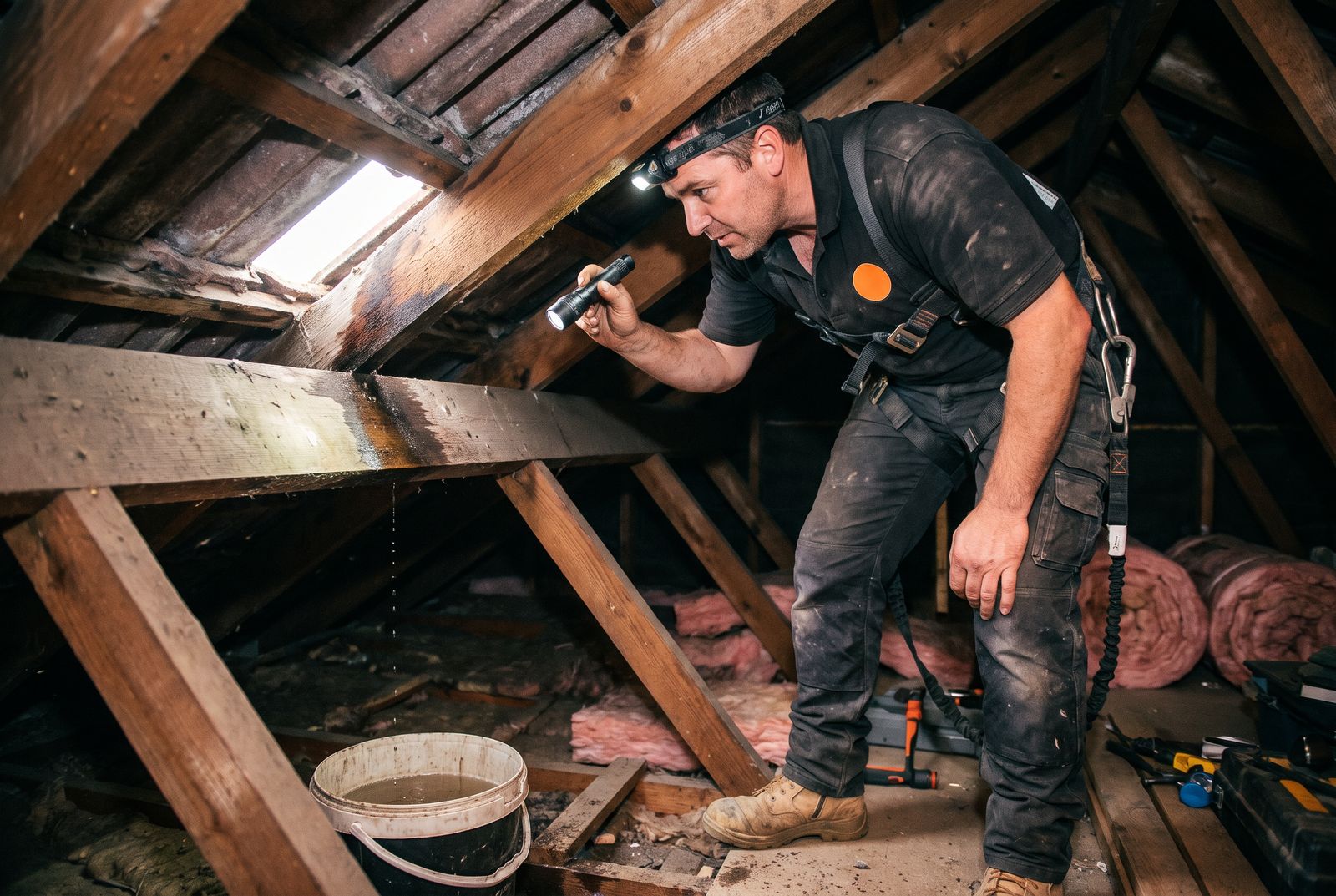 Roof Leak RepairsWe track a leak to its source, which is often nowhere near the stain on your ceiling, and fix the cause.
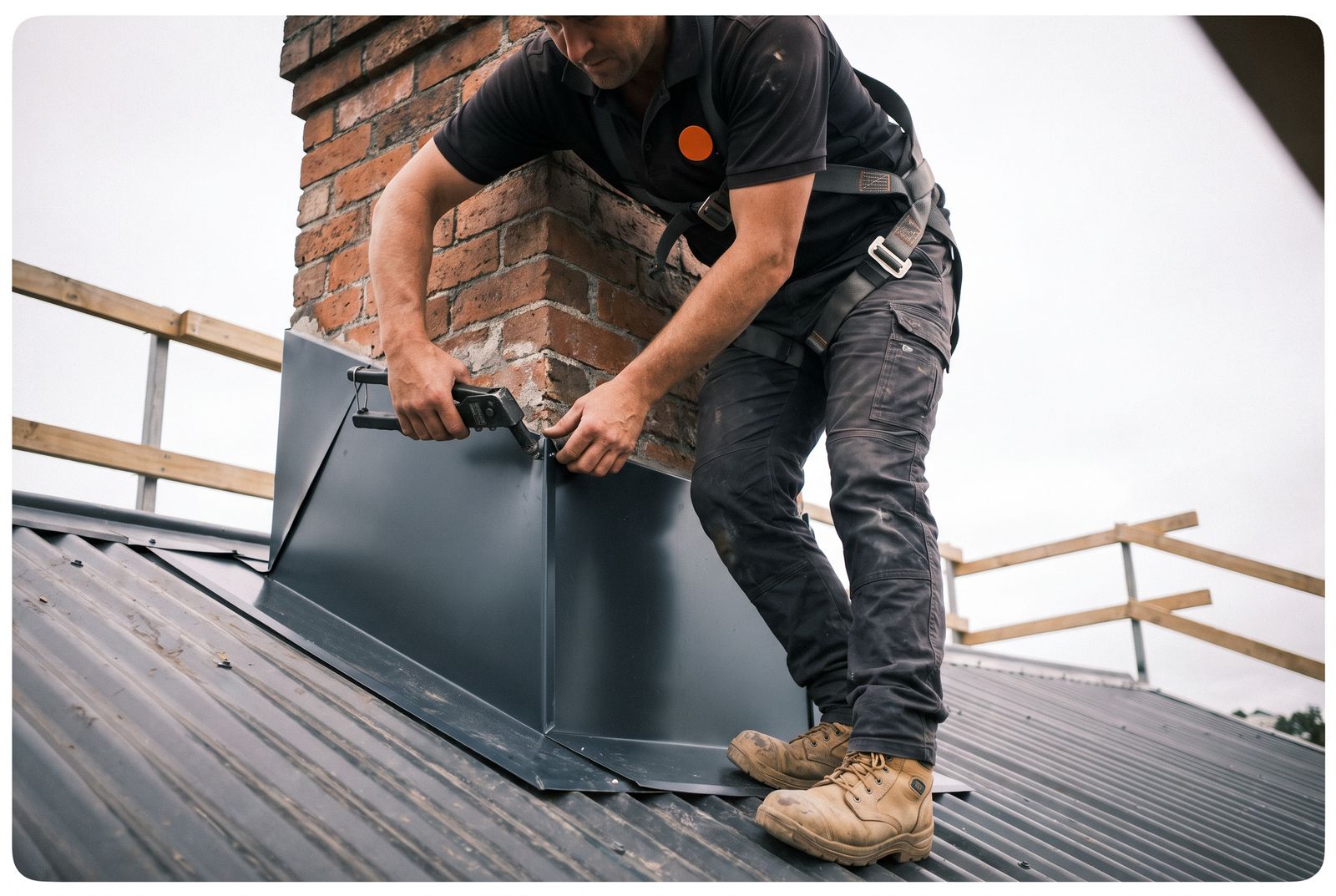 Roof Flashing RepairsFlashings around chimneys, skylights, walls and valleys cause most leaks.
Read Next
What Wind Zone Is My House In? Wellington Wind Zones Explained
Your wind zone is set for your exact site under NZS 3604, not for your suburb. In Wellington, check your LIM or consent ...
Read article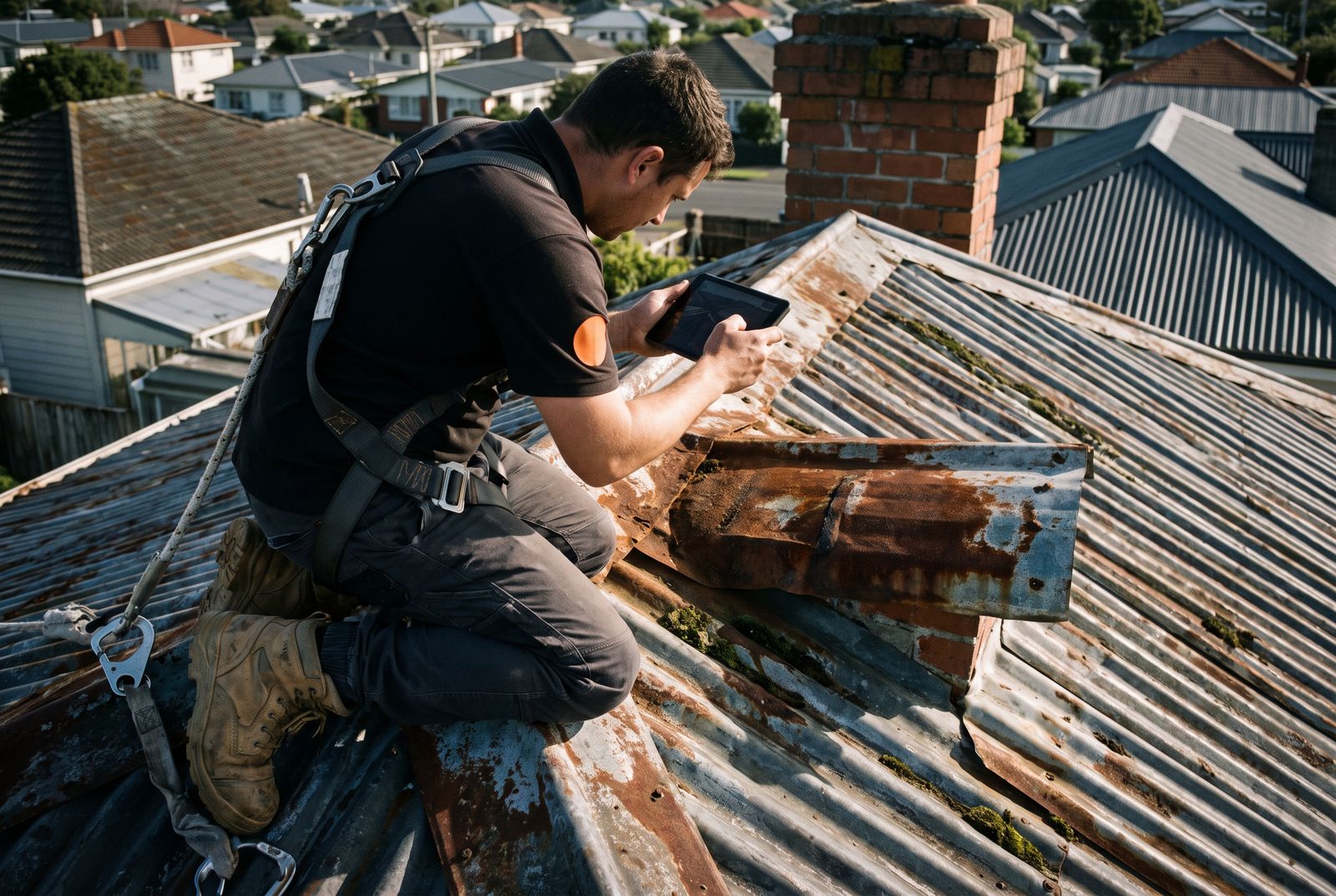
Roof Rattling in the Wind? Replacing Roof Nails With Screws
A roof that rattles or bangs in the wind usually has fixings that have loosened, most often old nails that have backed o...
Read article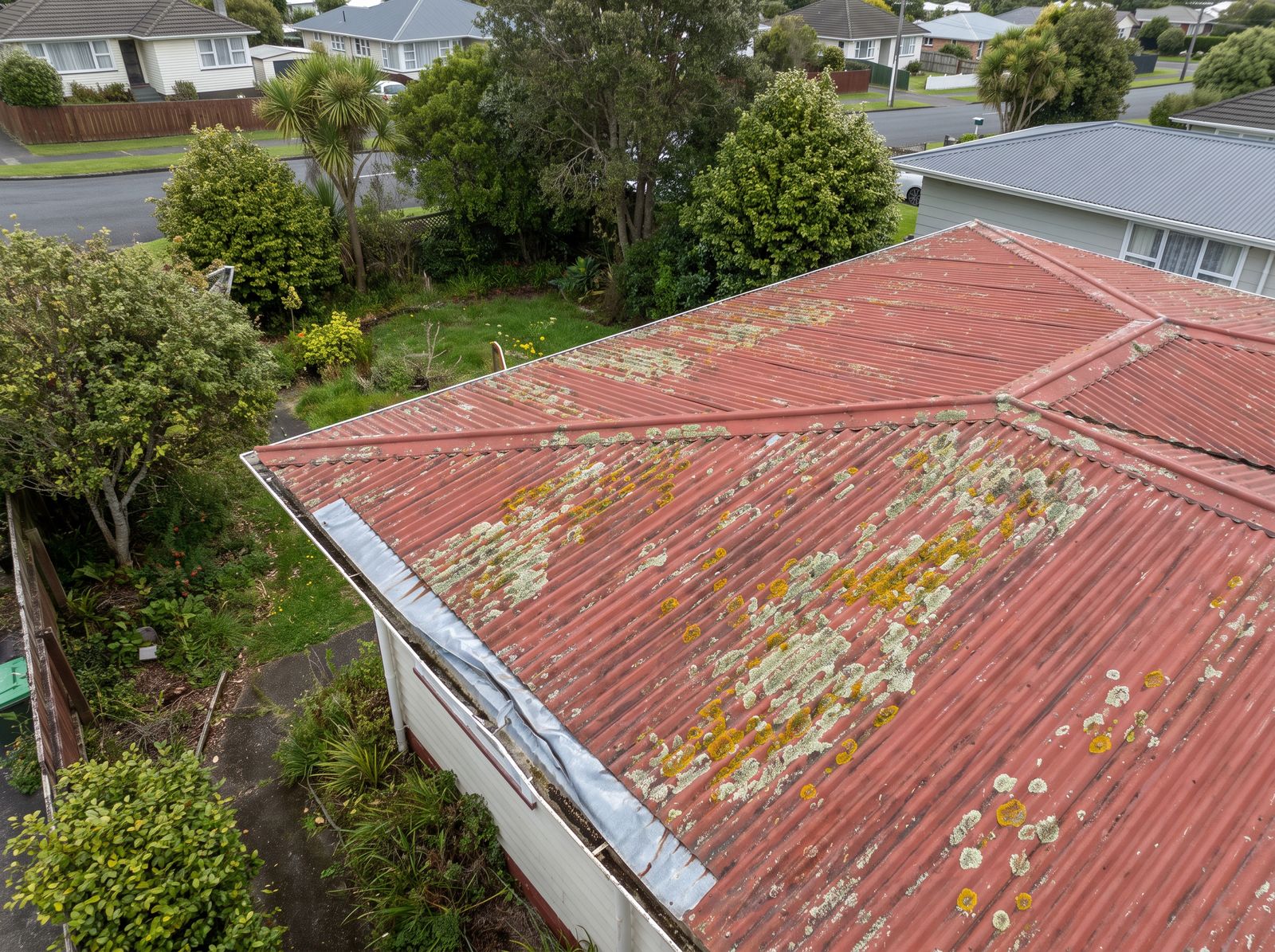
Roof Damaged in a Wellington Gale? What to Do and What Is Covered
Make the house safe first, then photograph everything and call your insurer. House insurance is designed for sudden dama...
Read article